
Banking Reform and Financial Inclusion
Reference library · 1048 words

India's banking system has been rebuilt three times in living memory: once by nationalisation, once by liberalisation, and once by digital identity infrastructure. Each rebuild solved a problem the previous arrangement had created, and each left new problems behind. Understanding the sequence is the only way to make sense of why a country with a sophisticated real time payments system also carries one of the world's more troubled records on bad loans.
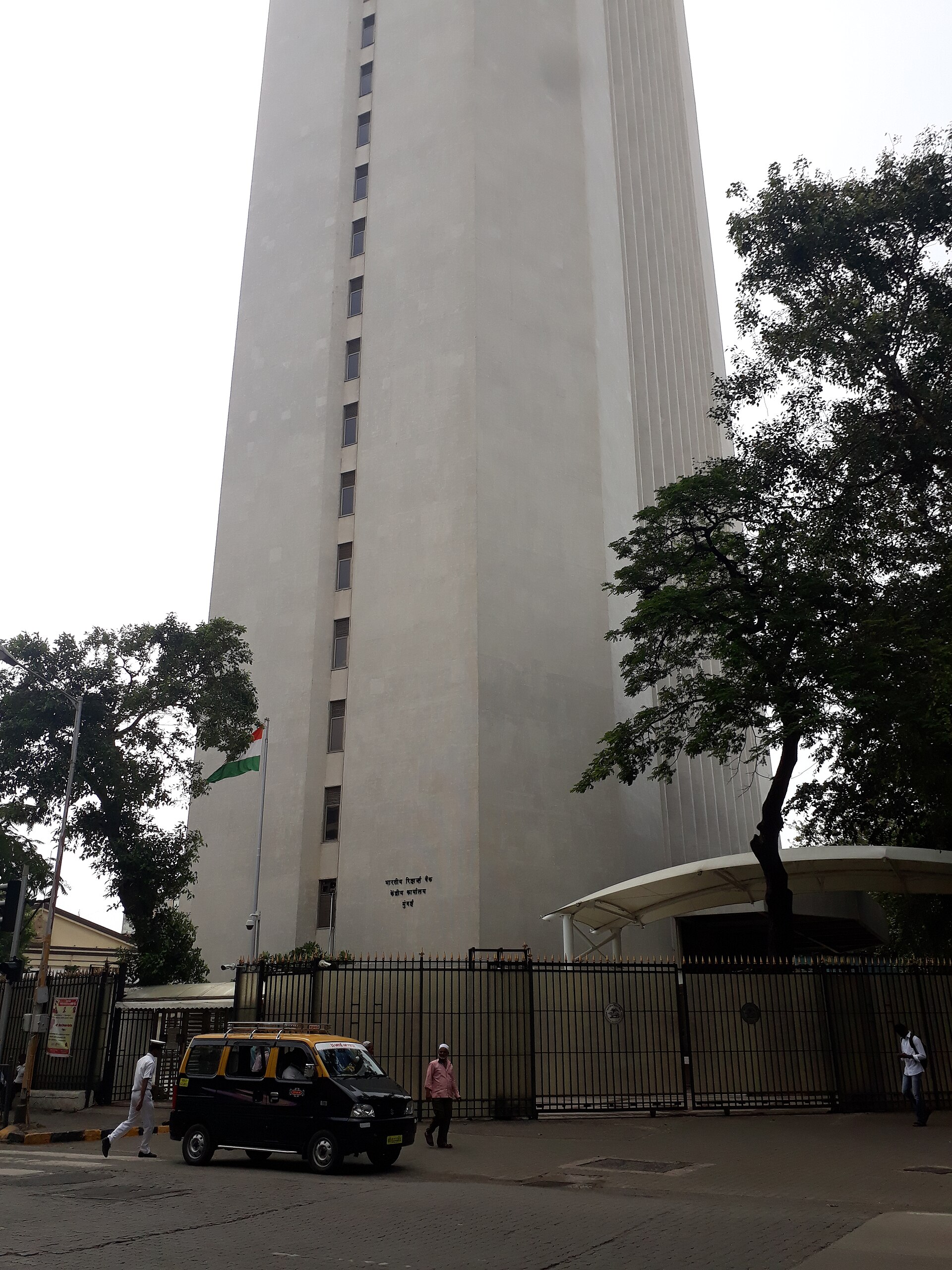
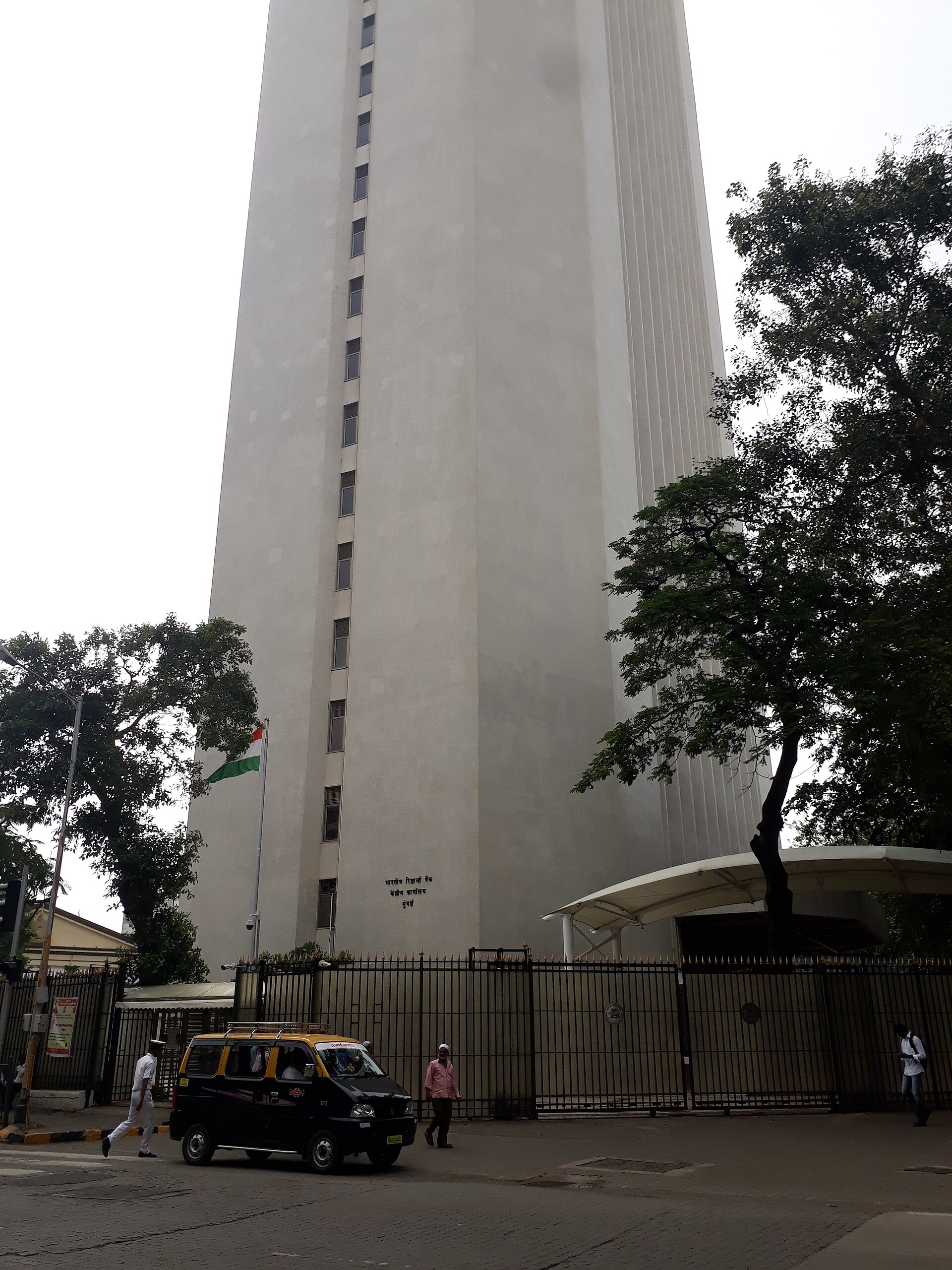
The Reserve Bank of India, the central bank, was established in 1935 and nationalised in 1949. At independence, commercial banking was largely private and heavily concentrated in cities, serving traders, industry and the professional classes. Agriculture, which employed the great majority of the population, was financed mainly by moneylenders at punishing rates. In July 1969 the government of Indira Gandhi nationalised fourteen of the largest private banks, and a further six followed in 1980. The stated purpose was to direct credit to agriculture, small industry and the neglected regions, and to open branches where none existed. On the narrow measure of physical reach, it worked: the branch network expanded enormously over the following two decades, and rural branches multiplied. On efficiency and loan quality it worked far less well, because lending decisions became subject to administrative targets and political direction, and the banks carried costs they could not price for.
Liberalisation and the bad loan problem
The balance of payments crisis of 1991, which forced India to pledge gold reserves and accept an International Monetary Fund programme, opened the way to a broad economic liberalisation associated with the finance minister Manmohan Singh. In banking, the key document was the report of the Committee on the Financial System chaired by M. Narasimham, which reported in 1991 and again in a second committee in 1998. It recommended reducing the statutory pre emption of bank deposits for government borrowing, introducing capital adequacy and prudential norms in line with international practice, allowing new private banks to be licensed, and giving public sector banks more operational autonomy. New private banks including HDFC Bank, ICICI Bank and Axis Bank date from this opening, and they grew rapidly by competing on service and technology rather than branch count.
The recurring weakness has been asset quality in the public sector banks, which still hold a majority of deposits. A long lending boom in infrastructure, power, steel and telecommunications during the 2000s turned sour when projects stalled on land acquisition, fuel supply and regulatory delay. The Reserve Bank's asset quality review of 2015, conducted under governor Raghuram Rajan, forced banks to recognise stressed loans they had been evergreening, and reported non performing assets rose sharply as a result. Successive governments have responded with recapitalisation from the budget, with mergers that consolidated the public sector banks into a smaller number of larger institutions, and above all with the Insolvency and Bankruptcy Code of 2016, which for the first time gave India a time bound corporate insolvency process with creditors in control. The Code has changed the balance of power between lenders and defaulting promoters, though recovery rates and timelines have often fallen short of its design.
Inclusion, identity and the payments revolution
The third rebuild is about access rather than solvency. For decades, a large share of Indian households had no bank account at all, which meant no safe savings, no formal credit history and no efficient way to receive government payments. The Pradhan Mantri Jan Dhan Yojana, launched in August 2014, drove a mass account opening campaign with zero minimum balance accounts, and hundreds of millions of accounts have been opened under it. Account ownership in India rose dramatically over the 2010s according to the World Bank's Global Findex surveys, one of the largest and fastest increases recorded anywhere.
Opening accounts is not the same as using them, and a good deal of early criticism focused on dormant accounts. What made the accounts useful was the layer built around them, often described as the India Stack. Aadhaar, the biometric identity number issued by the Unique Identification Authority of India from 2010, gave residents a verifiable identity that could be checked electronically, which collapsed the cost of customer verification. Linking identity, bank account and mobile number allowed government benefits, pensions, cooking gas subsidies and wage payments under the rural employment guarantee to be paid directly into accounts rather than through intermediaries, a policy known as direct benefit transfer. The claimed savings from removing duplicate and fictitious beneficiaries are large but disputed, and researchers have documented real cases of exclusion where biometric authentication failed for manual labourers with worn fingerprints or where connectivity was poor. Both the savings and the exclusion are real, and honest accounts of the policy record both.
The payments layer has been the most conspicuous success. The Unified Payments Interface, launched in 2016 by the National Payments Corporation of India, allows instant transfers between bank accounts through a simple address, at no cost to the user, across competing apps. Its adoption has been extraordinarily rapid, and monthly transaction counts now run into the billions, making India one of the largest real time payments markets in the world by volume. The visible result is that a fruit seller with a printed code accepts digital payment as readily as a department store. The demonetisation of high value banknotes in November 2016, when the government withdrew the existing five hundred and one thousand rupee notes, is often credited with accelerating this shift, though its broader economic effects remain sharply debated and most assessments conclude the disruption to cash dependent informal businesses was severe.
Credit remains the unfinished part of the story. Payments and savings have been transformed, but affordable formal credit for small businesses and low income households is still scarce, and much of the gap is filled by non banking financial companies, microfinance institutions and, increasingly, app based lenders whose conduct has required repeated regulatory intervention. The Reserve Bank has moved against unregulated digital lending practices and has been notably cautious about new licences and about cryptocurrency, while promoting an account aggregator framework intended to let borrowers share their own financial data securely to obtain credit. Whether that succeeds in extending genuine credit access, rather than simply extending debt to households poorly placed to service it, is the question that will define the next phase.
References
- Reserve Bank of IndiaReport on Trend and Progress of Banking in India
- World BankGlobal Findex Database
- National Payments Corporation of IndiaUPI Product Statistics
- Ministry of Finance, Government of IndiaPradhan Mantri Jan Dhan Yojana
This is a reference article, written from the sources above. It is background, not news reporting.