Bharatanatyam and Kathak: Storytelling Through Movement
Reference library · 1100 words

Indian classical dance is not primarily about the body making shapes. It is about narration. A dancer standing alone on a bare stage is expected to play a god, a jealous lover, a mother and a snake in the space of a few minutes, and to make each one legible to an audience that knows the story already and is watching to see how it is told this time. Two of the forms recognised as classical by India's national academy of the performing arts, Bharatanatyam from Tamil Nadu and Kathak from the north, illustrate how differently that narrative task can be approached while resting on the same theoretical foundation.
That foundation is the Natya Shastra, a Sanskrit treatise on theatre attributed to the sage Bharata and generally dated by scholars to somewhere in the wide window between the second century before the common era and the second century after it. It divides performance into nritta, pure rhythmic movement with no meaning attached; nritya, movement that expresses meaning; and natya, full dramatic representation. It sets out abhinaya, the art of conveying, in four channels: through the body, through speech, through costume and ornament, and through involuntary bodily response such as trembling or tears. And it catalogues the rasas, the emotional flavours a performance aims to produce in the spectator, conventionally nine. Every Indian classical form draws on this vocabulary, including its precise codification of hand gestures, the mudras, which function as a sign system rather than as decoration.
Bharatanatyam: geometry and the temple
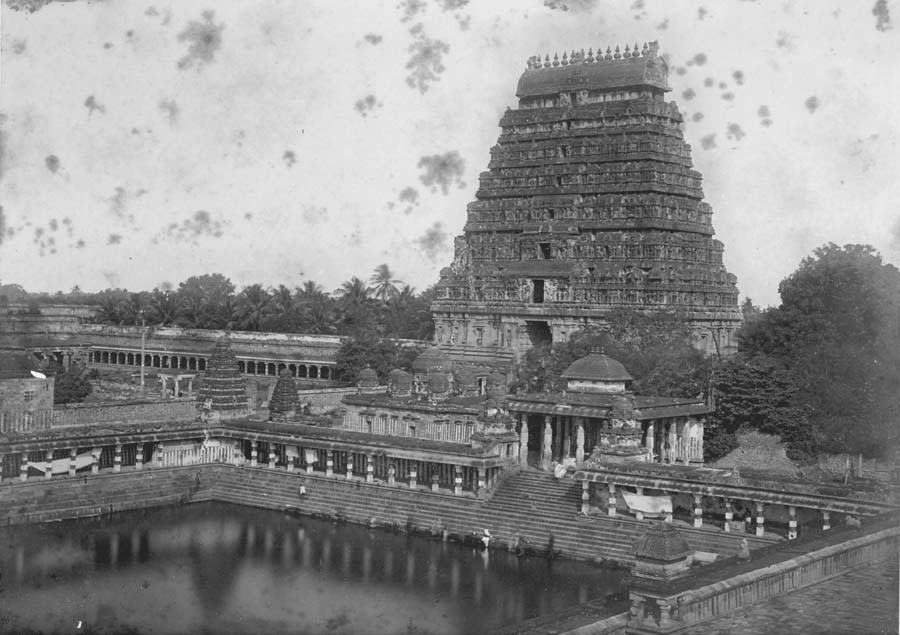
Bharatanatyam is built on a low half seated position called aramandi, with the knees turned out and the spine straight, from which the dancer produces sharply defined lines, symmetrical shapes and stamped rhythmic sequences. The basic units of training are adavus, drilled combinations of foot, arm and hand positions, assembled into longer phrases. The visual impression is architectural, and the resemblance to the dance poses carved on the gopurams of south Indian temples, notably at Chidambaram, is not accidental.
The dance descends from a temple and court practice performed largely by hereditary women dedicated to temples, the devadasis. Its repertoire was organised into the sequence still used today, called the margam, by four brothers of Thanjavur working in the early nineteenth century under the patronage of the Maratha ruler Serfoji the Second. A full margam moves from alarippu, a pure invocation of the body, through jatiswaram and shabdam to the varnam, an extended centrepiece alternating intricate rhythm with sustained emotional interpretation, then to intimate padams and javalis, and closes with a fast tillana. The music is Carnatic, and the ensemble is led by a nattuvanar keeping time with small cymbals, with mridangam, vocalist and violin.
The form's twentieth century history is uncomfortable and worth stating accurately. From the late nineteenth century a reform campaign, usually called the anti-nautch movement, attacked the devadasi system as immoral, and legislation in the Madras Presidency in 1947 ended temple dedication. The dance survived, but largely by being removed from the community that had held it. Rukmini Devi Arundale, who founded the institution Kalakshetra near Madras in 1936, restaged it for the proscenium theatre, removed repertoire she considered erotic, and made it respectable for upper caste and middle class girls to learn. Balasaraswati, herself from a devadasi lineage, defended the older repertoire and argued that stripping out its sensuality misunderstood its devotional logic. Scholars continue to debate how much of what is now taught is a preserved tradition and how much is a twentieth century reconstruction, and the descendants of the devadasi communities have their own view of a revival that largely excluded them.
Kathak: the storyteller and the spin
Kathak takes its name from kathakar, meaning storyteller, and its origins are usually traced to narrators who recited and enacted episodes from the epics and the Krishna legends in temples of the Braj region around Mathura. From the Mughal period onward it moved into court settings, and this is where it acquired the qualities that distinguish it. It absorbed Persian aesthetics, developed a virtuosic relationship with rhythm, and shifted some of its content from devotional narrative to refined entertainment. The most significant single patron was Wajid Ali Shah, the last Nawab of Awadh before the British annexation of 1856, himself a dancer and composer, whose court at Lucknow produced the lineage associated with Bindadin Maharaj and his family.
Technically Kathak is almost the opposite of Bharatanatyam. The dancer stands erect with legs straight rather than bent, and the body is used vertically. Its signatures are chakkars, rapid spins executed in series and stopped precisely on a beat, and tatkar, footwork of extraordinary speed and clarity performed in strings of ankle bells that can number in the hundreds. Rhythm is treated as an intellectual game between dancer and tabla player: the dancer recites the rhythmic syllables aloud, a practice called padhant, then dances them, often building to a tihai, a phrase repeated three times so that its final stroke lands exactly on the first beat of the cycle. The expressive side draws on thumri, a lyric form in Hindustani music, and on gat bhaav, wordless mimed vignettes. Three main gharanas are recognised: Lucknow, associated with delicacy and expression; Jaipur, associated with powerful footwork and rhythmic complexity; and Benares.
Kathak's colonial period was as difficult as Bharatanatyam's. British officials and Indian reformers alike associated court dance with courtesan culture, and the tawaif establishments that had been serious centres of musical training were suppressed and stigmatised. The form was rehabilitated in the twentieth century largely through male hereditary teachers, and later through institutions such as the Kathak Kendra in Delhi.
Reading a performance
For a first time viewer the practical advice is to stop trying to follow a plot and instead watch for the moment of resolution. In both forms the rhythmic cycle returns to its first beat, and the pleasure lies in watching a dancer travel a long way from that beat and arrive back on it exactly. In the expressive passages, watch the face and hands rather than the feet, and expect a single line of text to be repeated many times with a different reading each time, which is the point rather than a repetition.
Both forms are now taught worldwide, with graded examinations and annual recitals across Australia, North America, Britain, Singapore and the Gulf, sustained largely by diaspora families. Whether the classical label itself is a neutral description or a twentieth century act of nation building that elevated some traditions and demoted others is a live argument among dance historians, and it is a more interesting question than it first appears.
References
- Sangeet Natak AkademiSangeet Natak Akademi
- Encyclopaedia BritannicaBharata natyam
- Encyclopaedia BritannicaKathak
- Victoria and Albert MuseumSouth Asian performance collections
This is a reference article, written from the sources above. It is background, not news reporting.