
Diaspora Cricket: Following the Game from Afar
Reference library · 1046 words

On the morning of a major India match, something predictable happens in Melbourne, Auckland, Toronto, Dubai, Leicester and Nairobi. Alarm clocks go off at hours that make no sense for a working day. Living rooms fill. Restaurants that would normally be closed open early and put a screen on the wall. Group chats that have been dormant for weeks light up. Cricket is the most reliable synchroniser of the Indian diaspora, more dependable than any festival, because it happens dozens of times a year and requires nothing of the participant but attention.
The reason cricket carries this weight is historical. The game arrived in India with the British, and its earliest Indian participants were the Parsi community of Bombay, who formed the Oriental Cricket Club in the middle of the nineteenth century and toured England before the end of it. Competitive cricket in colonial Bombay was then organised, for decades, along communal lines, in a tournament that eventually featured teams representing Europeans, Parsis, Hindus, Muslims and a combined side known as the Rest. That structure was abolished after independence in favour of regional teams, and the shift matters: a game that had been used to sort people by community was deliberately reorganised to sort them by place. When India won the Cricket World Cup at Lord's in June 1983, beating a West Indies side that had dominated the sport, the victory was received at home as national rather than communal, and it is generally credited with turning cricket from one popular sport into the overwhelming one.
The economics that followed the crowd
Diaspora attention is not merely sentimental, it is commercially decisive. Television rights for international and franchise cricket are priced substantially on the size of the Indian viewing audience, at home and abroad, and this has shifted the balance of power in the world game. The Indian board became the wealthiest cricket administration on earth, and tours, schedules and formats are arranged with an eye to what Indian audiences will watch. The Indian Premier League, launched in 2008 as a short format city franchise tournament, was designed for television from the outset and became one of the most valuable sporting properties in the world, watched in the early hours in North America and after work in the Gulf.
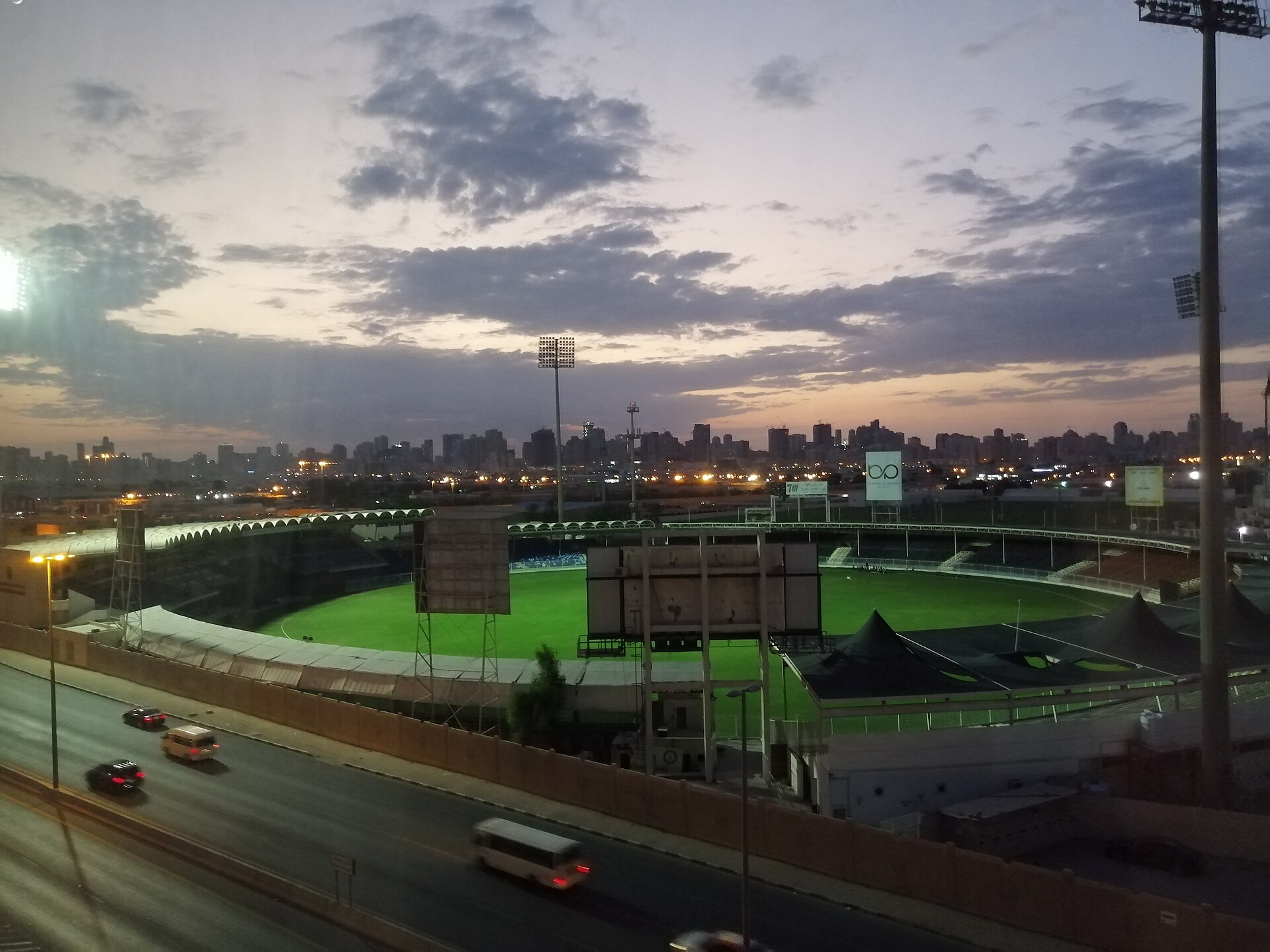
Migration also physically relocated the game. In England, players of South Asian descent have long been prominent in league cricket in Yorkshire, Lancashire and the Midlands, and the mosque and gurdwara leagues of northern English towns produced serious cricketers for generations. In the Gulf states, where South Asian workers form a very large share of the population, cricket is played on any available flat surface, and the ground at Sharjah in the United Arab Emirates hosted so many one day internationals from the 1980s onward that it accumulated a record number of them, sustained almost entirely by expatriate crowds. The United States and Canada, long considered barren ground for the sport, now field national teams drawing heavily on players born in India, Pakistan and the Caribbean, and Major League Cricket, launched in the United States in 2023, was built explicitly on South Asian diaspora demand.
Divided loyalties and the awkward questions
Following the game from abroad raises a question that many diaspora fans find genuinely difficult. When India plays the country you live in, who do you support? This is not an idle matter. In 1990 a British politician suggested that a person's choice of team in such a match was a legitimate measure of their integration, a proposition that became known as the cricket test and was widely criticised as a demand that migrants prove loyalty through sport. The criticism was sound: nobody applies such a standard to a Scot supporting Scotland against England, and sporting affection is not a proxy for civic commitment. But the discomfort is real for many families, particularly where children born abroad support the country of their birth while parents support the country of theirs, in the same room, at the same time.
The picture is complicated further by cricketers who cross the line themselves. Players of Indian origin have represented England, Australia, New Zealand, Canada, the United States, Ireland, Scotland, Kenya, the United Arab Emirates and elsewhere, and cricketers of Indian descent whose families migrated generations earlier form the backbone of the West Indies teams from Trinidad and Guyana, where indentured labourers arrived from India in the nineteenth century. Watching a player with a Punjabi surname bowl for England against India is an experience that resists a simple emotional response, and most fans simply hold both feelings at once.
What the diaspora has done to the game's culture is easier to describe. Wherever South Asian migrants settle in numbers, the sport's informal forms travel with them: tape ball cricket played with a tennis ball wrapped in electrical tape, which produces swing on a hard surface and requires no protective equipment; street games with negotiated local rules about which walls count as boundaries; and indoor and social leagues that function as networking institutions for new arrivals. In Australian suburbs with large Indian populations, council cricket grounds are booked out on weekends by teams named after Indian cities and states. In the United Kingdom, the composition of the crowd at a Test match involving India is visibly different from that at any other fixture, and touring Indian supporters have made the away crowd at England, Australian and South African grounds a significant presence rather than a curiosity.
There is a serious counterweight to all this warmth, and honesty requires acknowledging it. Cricket in Britain has faced substantiated findings of racism against players of South Asian background, most prominently in the case that engulfed Yorkshire County Cricket Club from 2020 onward and led to parliamentary hearings, disciplinary proceedings and an independent commission into equity in the game. The pathway from playing in a community league to a professional county contract has historically been narrow for South Asian players despite their large numbers at grassroots level, and the reasons involve scouting networks, cost, and cultural fit rather than any shortage of talent. That gap between how much the diaspora watches the game and how much it is represented in the professional structures of countries where it lives remains one of the sport's unresolved problems.
References
- International Cricket CouncilICC Official Site
- Marylebone Cricket ClubLord's Cricket Ground History
- Encyclopaedia BritannicaCricket (sport)
- England and Wales Cricket BoardIndependent Commission for Equity in Cricket
This is a reference article, written from the sources above. It is background, not news reporting.