
Language and Religion: An Intertwined History
Reference library · 981 words

In South Asia, the question of what language a person speaks has rarely been separable from the question of what community they belong to, and for long stretches of history that has meant religious community. This is not because languages are inherently religious. It is because scripts, vocabularies and literary canons were transmitted through institutions that were themselves religious, and because in the modern period language became one of the main instruments through which political identity was asserted. The clearest case, and the most consequential, is the long argument over Hindi and Urdu, but it is far from the only one.
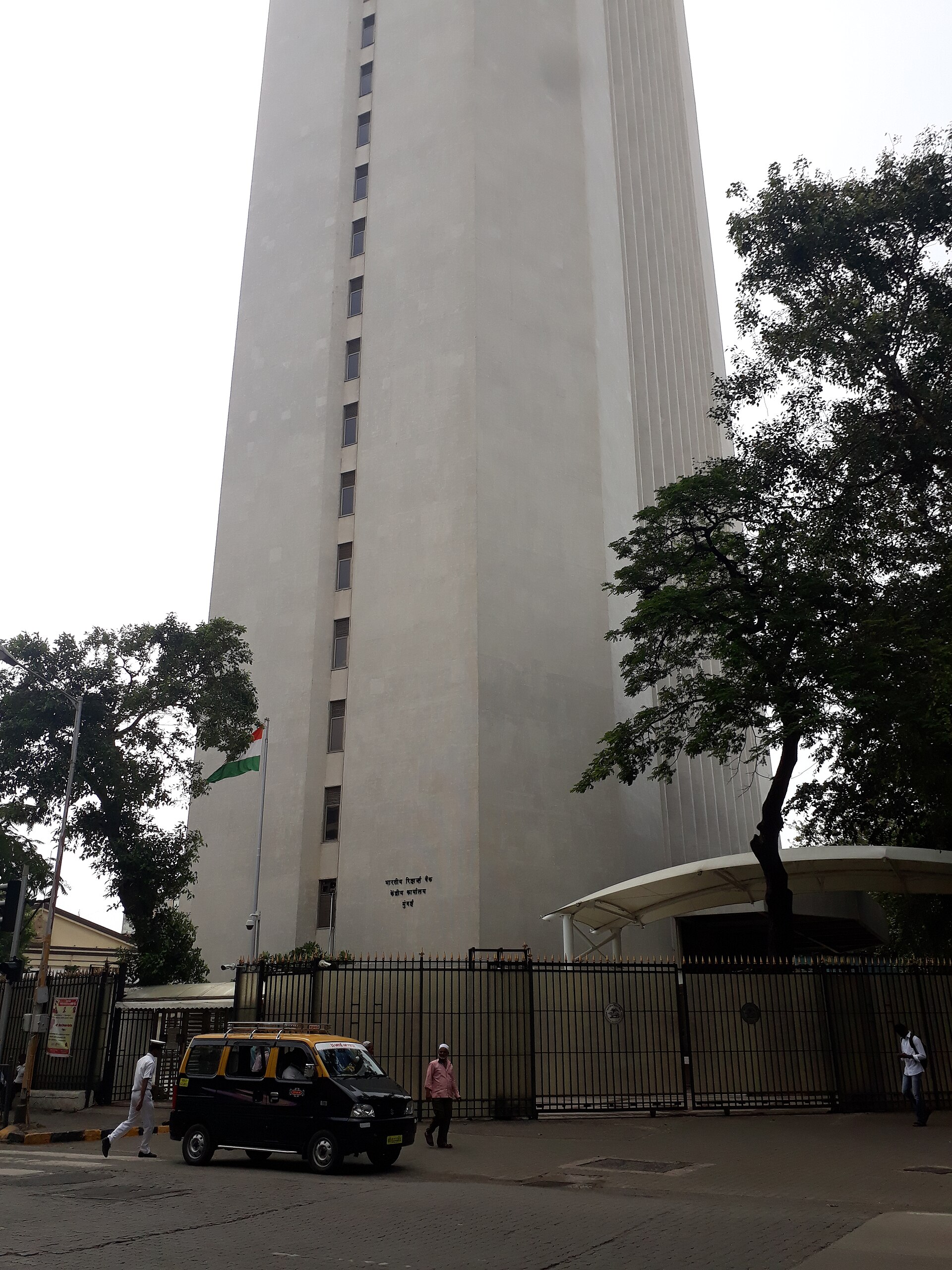
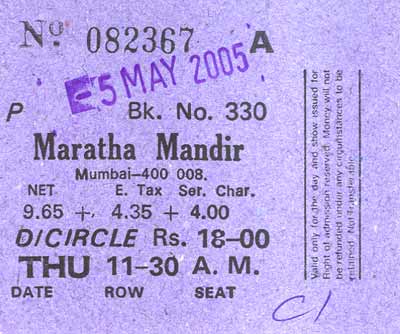
Start with the mechanics. A language has a spoken form and a written form, and the two can be pulled apart. Around Delhi and the western Gangetic plain there developed, over several centuries, a common spoken vernacular sometimes called Hindustani, drawing its grammar and core vocabulary from Indo Aryan sources and absorbing large numbers of Persian, Arabic and Turkic words through centuries of Persianate administration. Millions of people spoke it without much sense of division. What differed was the writing. Those educated in a Persianate tradition wrote it in a modified Perso Arabic script, Nastaliq, and reached for Persian and Arabic vocabulary in formal registers. Those educated in a Sanskritic tradition wrote it in Devanagari and reached for Sanskrit vocabulary. In everyday speech these two are close enough to be mutually intelligible. In high literary or technical registers they diverge sharply, because they draw their abstract vocabulary from entirely different reservoirs.
How a shared speech became two languages
The hardening of that difference into two named languages aligned with two religious communities was a process of the nineteenth and twentieth centuries, not an ancient inheritance. Colonial administration required decisions about which script courts and schools would use, and those decisions created organised campaigns. In the North Western Provinces a movement to replace the Perso Arabic script with Devanagari in official use gathered strength through the later nineteenth century and achieved partial success in 1900, which in turn produced counter mobilisation. Printing accelerated everything, since a press must choose a font. Literary and educational associations formed on each side, promoting a purified vocabulary. By the twentieth century the two registers had separate school textbooks, separate literary prizes and separate political constituencies.
The consequences were enormous. Urdu became closely identified with Muslim political identity in northern India and was adopted as a national language of Pakistan after Partition in 1947, despite being the mother tongue of only a minority of that country's population, a fact that contributed directly to the language movement in East Bengal. Protests there in favour of Bengali, and the deaths of demonstrators in Dhaka in February 1952, became a founding memory of Bangladeshi nationalism, and the date is now marked internationally as Mother Language Day. Meanwhile Hindi in Devanagari was designated in the Indian Constitution as an official language of the Union, with English retained alongside it, an arrangement intended to be temporary that has proved durable because of sustained opposition in the south.
Scripts, scriptures and the wider pattern
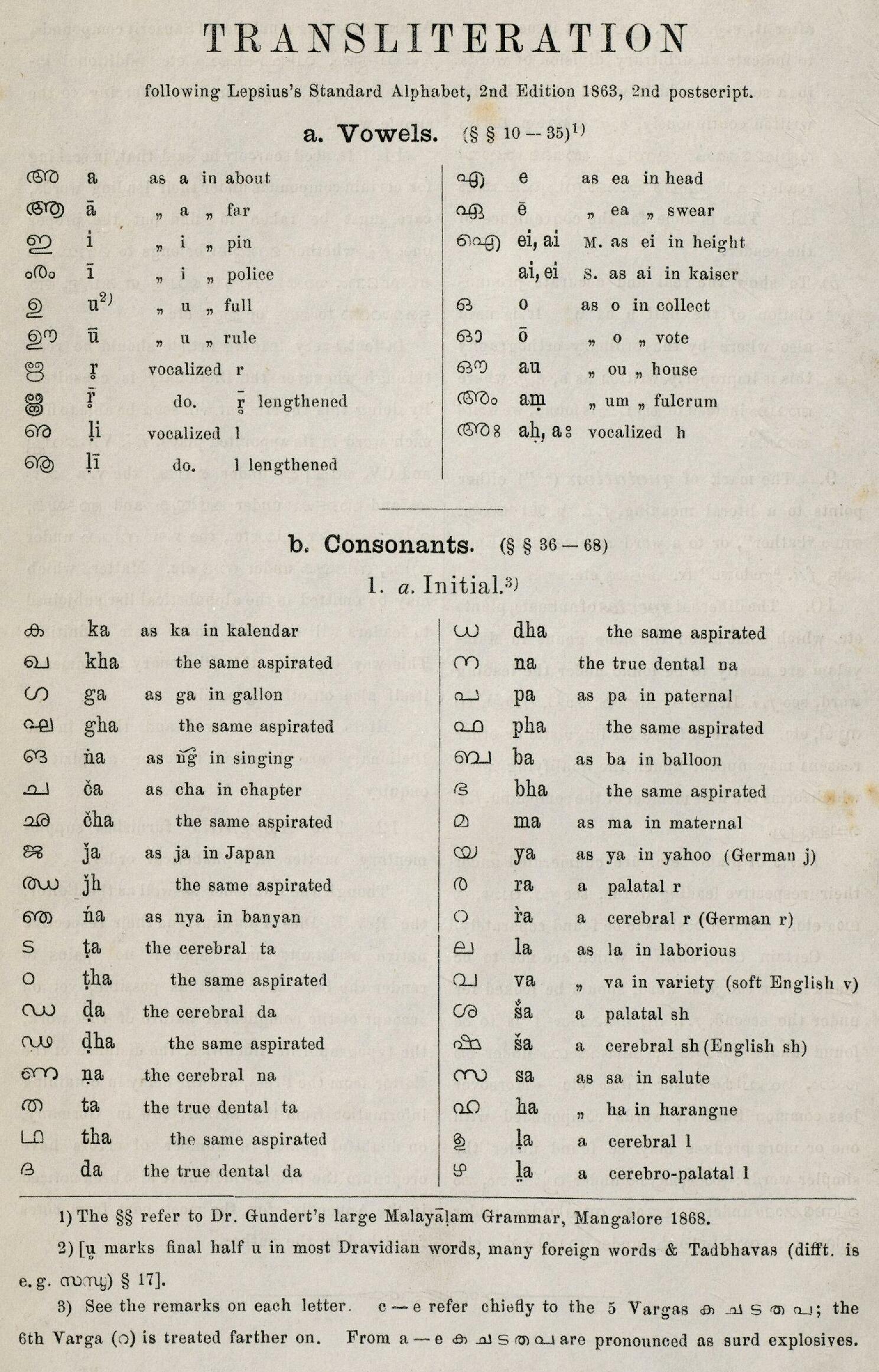
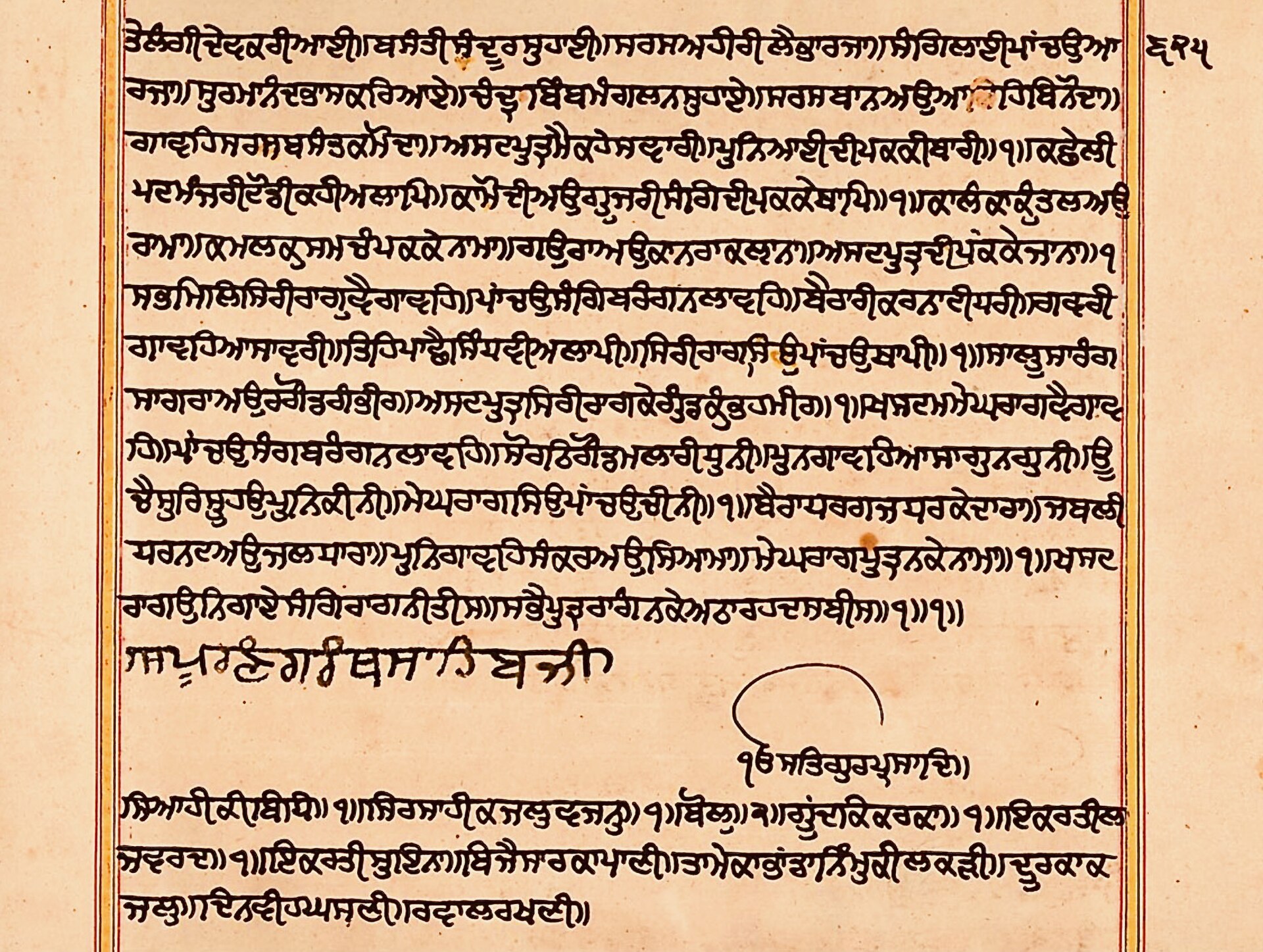
Hindi and Urdu are the most studied case but the pattern repeats. Punjabi is written in three scripts by three communities: Gurmukhi, developed and standardised in the Sikh tradition and used for the Guru Granth Sahib, Shahmukhi in the Perso Arabic family used in Pakistani Punjab, and Devanagari by some Hindu Punjabis. The spoken language is largely shared across the border, but the written traditions are so distinct that literate speakers on either side often cannot read each other. Konkani in Goa has been written in Devanagari, Roman and Perso Arabic scripts by different communities, with the Roman script tied to Catholic usage established under Portuguese rule. Malayalam has a Syriac influenced Christian literary tradition and an Arabi Malayalam tradition written in Arabic script by Mappila Muslims of the Kerala coast, complete with its own genre of ballads.
Liturgical languages add another layer, because they are deliberately not vernacular. Sanskrit for Hindu ritual, Arabic for Islamic prayer, Pali for Theravada Buddhist scripture, Ardhamagadhi for Jain canonical texts, Avestan for Zoroastrian liturgy among the Parsis of western India, and Syriac for the Saint Thomas Christian churches of Kerala all function as sacred registers understood by specialists and recited by everyone. The gap between the language of worship and the language of the street is itself a source of authority, because it makes the clergy necessary as interpreters, and reform movements in every one of these traditions have at some point demanded translation into the vernacular, usually against resistance.
It would be wrong, though, to leave the impression that language and religion map neatly onto each other in South Asia, because for most of the region they do not. Tamil, Telugu, Kannada, Marathi, Gujarati, Odia and Assamese are spoken by Hindus, Muslims, Christians and others without the language being read as a religious marker. The great Tamil literary tradition includes major Jain and Buddhist works alongside Shaiva and Vaishnava devotional poetry, and modern Tamil identity has been asserted primarily against Hindi rather than along religious lines: the anti Hindi agitations in Madras State in 1937 and again in 1965 were driven by regional and linguistic pride, and they permanently shaped India's language policy by ensuring English was retained.
What all this suggests is that the relationship is historical rather than essential. Scripts followed institutions, institutions were often religious, and modern politics then turned those inherited differences into badges. The process is not finished and it is not one directional. Bollywood dialogue routinely uses vocabulary that dictionaries would assign to Urdu, sung by and written for audiences of every faith, and the shared spoken Hindustani that the nineteenth century tried to divide continues, cheerfully, to be the most widely understood language in the subcontinent. That persistence is a useful corrective to any account that treats linguistic boundaries as ancient and fixed.
References
- UNESCOInternational Mother Language Day
- Encyclopaedia BritannicaHindustani language
- Government of India, Ministry of Home AffairsOfficial Languages of the Union
- Encyclopaedia BritannicaUrdu language
This is a reference article, written from the sources above. It is background, not news reporting.