
Mehndi: The Art of Henna
Reference library · 974 words
;_flowering_st_Wellcome_V0044329.jpg)
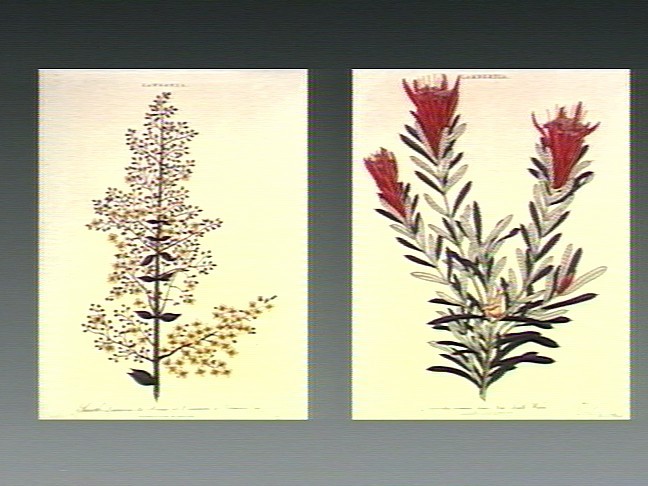
Mehndi is the practice of staining skin with a paste made from the crushed leaves of Lawsonia inermis, a thorny shrub that grows well in hot, dry country. In India the plant is cultivated on a commercial scale in western Rajasthan, where the town of Sojat in Pali district is the acknowledged centre of the trade, processing and shipping henna powder across the country and abroad. The leaves are harvested, dried, milled to a fine flour and sifted repeatedly, because the smoother the powder, the finer the line an artist can draw. Everything else about mehndi, the designs, the ceremonies, the beliefs attached to the colour, is built on top of this one agricultural product.
How the stain actually works
The dye is a molecule called lawsone, a naphthoquinone that sits inside the leaf and is released when the powder is mixed with a mildly acidic liquid, usually lemon juice, and left to stand for several hours. Lawsone binds to keratin, the protein that makes up the outer layer of skin, hair and nails. That binding explains almost every practical rule the aunties in the family already know. Palms and soles stain darkest because their outer keratin layer is thickest, so more dye is taken up; the back of the hand is lighter, and the forearm lighter still. Sugar or jaggery is added to keep the paste sticky against the skin for the many hours it needs to stay in contact. Essential oils rich in terpenes, such as cajeput, eucalyptus or tea tree, are worked in because they help the lawsone migrate into the skin and deepen the result.
The paste is piped through a rolled plastic cone with a pinhole tip, a modern replacement for the older method of drawing with a thin stick or a matchstick. Once applied it dries in twenty minutes or so and is left on for anywhere from two to eight hours, sometimes overnight, and is then scraped off rather than washed. The stain that appears immediately is pale orange, and the popular idea that it is finished at that point is wrong. Over the following twenty four to forty eight hours the colour oxidises and darkens to deep red brown or nearly black on the palms. Keeping the hands warm and away from water during that window is the reason a bride is fussed over and fed by other people on her mehndi night. The design fades over one to three weeks as the stained skin cells are shed.
Ceremony and meaning
Mehndi appears at almost every point in the Indian ritual calendar where women mark auspiciousness. The best known occasion is the mehndi ceremony held a day or two before a wedding, usually at the bride's home, with music, teasing songs and a professional artist working for hours while relatives are decorated in turn. The bride's hands and feet are covered in the densest work, often up to the elbow and mid calf. A widespread piece of play is to conceal the groom's name or initials somewhere in the pattern for him to find later. There is a persistent belief that the darker the stain, the greater the love the marriage will hold, or in another telling the more affection the mother in law will show. Nobody treats this as literal prediction, but it is quoted often enough that a pale stain can genuinely disappoint.
Beyond weddings, henna is applied at Karva Chauth, when married women in northern India fast for their husbands, at Teej during the monsoon, at Diwali, and on Chand Raat, the night before Eid, when markets in Old Delhi, Hyderabad and Lucknow fill with artists working under strip lights until the small hours. Regional styles are distinct enough that a practised eye can place them. Rajasthani and Marwari work is very fine and dense, built from paisleys, peacocks, elephants and figures of a bride and groom. Mughal influenced designs favour symmetrical floral panels and fine shading. Arabic styles, now popular everywhere, use bolder trailing vines with more open skin left bare, and take far less time to apply. South Indian designs often echo temple architecture and mango motifs. In practice most artists today mix all of these freely.
Origins, and a modern hazard
The history of henna in India is genuinely contested and worth stating carefully. The plant and its use as a cosmetic dye are ancient and well attested across North Africa and West Asia, and henna has been identified on Egyptian mummies. How and when the practice reached the Indian subcontinent is less settled. One common claim is that it arrived with the Mughals from the twelfth century onward, which fits the elaborate courtly styles that survive in miniature painting. Others argue for a much older presence, pointing to references in early literature and to painted figures at Ajanta whose hands and feet appear reddened, though whether that depicts henna or another dye is exactly the sort of thing scholars disagree about. The honest position is that the elaborate bridal tradition in its recognisable form is relatively recent, while the underlying use of the plant is very old.
One genuine danger deserves plain language. So called black henna, sold at markets and tourist stalls with the promise of an instant jet black stain, is not henna. It usually contains para phenylenediamine, a hair dye chemical that is unsafe in direct skin contact at high concentrations. It can cause chemical burns, blistering and permanent scarring, and it can sensitise a person for life, so that any later exposure to related compounds in hair dye or some textiles triggers a severe reaction. Health authorities in Britain, Australia and elsewhere have issued repeated warnings about it. Real henna paste is greenish brown, smells of leaves and oil, and never gives black colour within an hour. The wait is part of the craft.
References
- Encyclopaedia BritannicaHenna
- Royal Botanic Gardens, KewPlants of the World Online: Lawsonia inermis
- UK Food Standards AgencyBlack henna and PPD safety advice
- Victoria and Albert MuseumSouth Asian art and design collections
This is a reference article, written from the sources above. It is background, not news reporting.