

Migration to the Gulf: A Different Kind of Corridor
Reference library · 1014 words
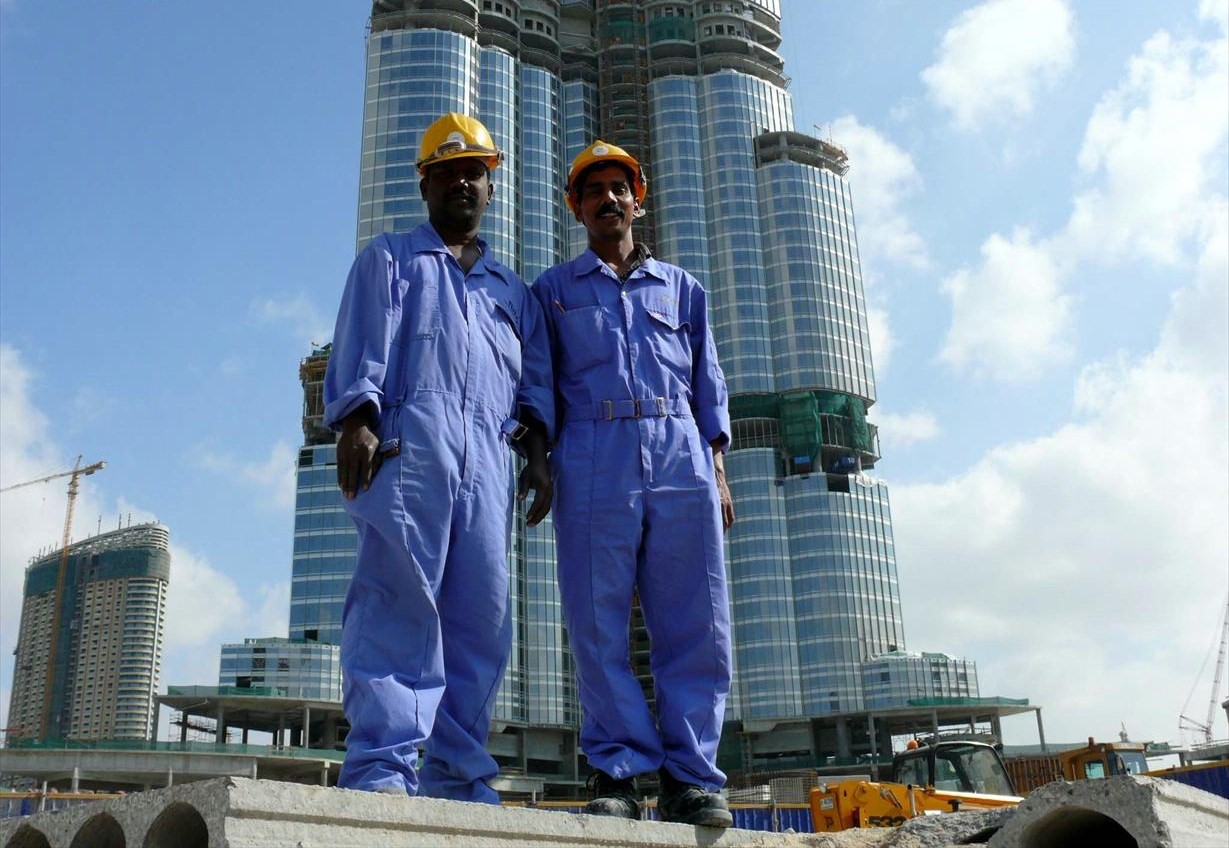

Most discussion of Indian migration concerns settlement: families who move to Australia, Canada, Britain or the United States, take residency, then citizenship, and raise children who belong to the new country. The corridor between India and the six countries of the Gulf Cooperation Council works on entirely different principles. Millions of Indians live and work in the United Arab Emirates, Saudi Arabia, Qatar, Kuwait, Oman and Bahrain, in some cases for decades, without any prospect of permanent residence or citizenship for themselves or for children born there. It is the largest labour migration corridor in the world by some measures, and it is temporary by design.
The corridor opened after the oil price shock of 1973, which multiplied Gulf state revenues and set off a construction programme of extraordinary scale across countries with very small national populations. Labour had to be imported. Kerala, on India's south western coast, was closest by sea and had high literacy, a surplus of educated workers and few local jobs, and it became the first and deepest source region. Over the following decades the sending map widened to include coastal Andhra Pradesh, Tamil Nadu, and then, in very large numbers, Uttar Pradesh, Bihar and West Bengal, which now supply much of the lowest paid construction and service workforce.
How the system actually works
The legal architecture is the sponsorship arrangement usually called kafala, which exists in varying forms across the region. Under its traditional operation a migrant's right to enter, remain and work is tied to a named employer who acts as sponsor. The sponsor holds responsibility for the worker's visa, and historically the worker could not change jobs or leave the country without the sponsor's consent. This is the structural source of most reported abuse in the corridor. When the ability to quit belongs to the employer rather than the employee, ordinary contractual disputes over unpaid wages, withheld passports, unsafe sites or unlivable accommodation become very difficult for the worker to escape.
The recruitment stage compounds it. Workers in villages in Bihar or eastern Uttar Pradesh generally reach the Gulf through layers of subagents, and the fees charged along that chain routinely exceed a year of the wage eventually earned. Many borrow against land or gold to pay. The result is a worker who arrives already in debt and therefore unable to walk away even when the job on arrival turns out to differ from the contract signed at home, a substitution practice common enough to have a name in the literature. India's own regulatory response runs through the Protector of Emigrants system and the eMigrate portal operated by the Ministry of External Affairs, which requires clearance for emigrants holding passports marked with the Emigration Check Required endorsement, broadly those without secondary schooling. Enforcement against unregistered agents is widely regarded as weak.
Reform has been real but uneven. Qatar, under sustained international scrutiny in the years before the 2022 football World Cup, removed the requirement for an employer no objection certificate before changing jobs and introduced a non discriminatory minimum wage in 2020 to 2021. The United Arab Emirates and Saudi Arabia have made partial changes to job mobility rules. Human rights organisations and the International Labour Organization continue to report gaps between the written reforms and what happens on a site in practice, particularly for domestic workers, who in several jurisdictions remain outside ordinary labour law entirely and who are overwhelmingly women. Meanwhile Gulf states pursue nationalisation policies, such as the Saudi programme known as Nitaqat introduced in 2011, which set quotas for citizen employment in private firms and steadily narrow the categories open to migrants.
What it does to the places people leave
Kerala is the clearest case study anywhere of a society reshaped by outward labour migration. Successive rounds of the Kerala Migration Survey, run by the Centre for Development Studies in Thiruvananthapuram since 1998, have tracked the effects in detail. Money sent home financed the concrete houses that now dominate villages in Malappuram and Kozhikode districts, paid for private schooling and healthcare, funded weddings and land purchases, and pushed up local wages and land prices to the point where Kerala imports labour from other Indian states to fill jobs its own workers no longer take. The state built international airports at Kochi, Kozhikode and Kannur substantially on the strength of Gulf traffic.
The costs sit alongside the gains. Households run for years on a single absent earner, with children raised by one parent and marriages sustained over the telephone. Returning migrants often find their savings will not buy them a comparable job at home, and the transition back is a documented source of hardship. Because Gulf residence cannot become citizenship, almost every migrant eventually returns, which makes reintegration a permanent policy question rather than an occasional one. Both the Indian central government and Kerala operate schemes aimed at returnees, with results that observers describe as modest.
Shocks and shifts
The corridor's fragility was demonstrated in 2020. When Gulf economies shut down during the pandemic, hundreds of thousands of Indian workers lost jobs and accommodation simultaneously in countries where they had no safety net, and India mounted the Vande Bharat Mission, one of the largest repatriation operations it has ever run. Oil price collapses in 1986, 2014 and 2020 each produced smaller versions of the same pattern, and the Iraqi invasion of Kuwait in 1990 forced an emergency airlift of Indian nationals that remains a landmark in Indian consular history.
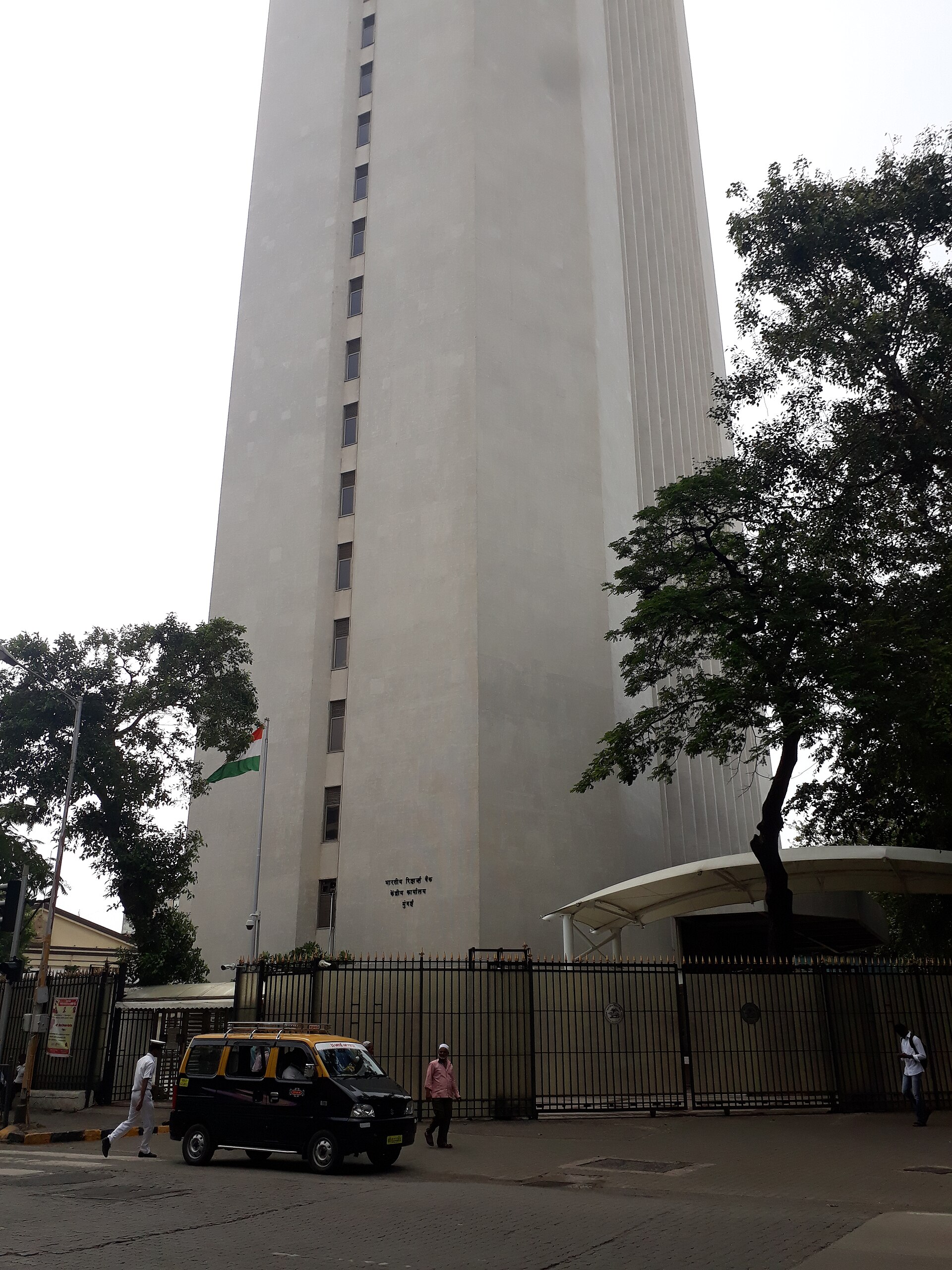
India is the world's largest recipient of remittances, and Gulf countries were long its dominant source. The Reserve Bank of India's periodic surveys of remittance flows have found the balance tilting, with the United States and other advanced economies rising in share as more Indians migrate for professional and student pathways rather than manual work. That does not mean the Gulf corridor is shrinking in human terms. It means the money is now more concentrated among fewer, better paid migrants elsewhere, while the Gulf continues to absorb very large numbers of workers whose individual transfers are small, regular and, for the households receiving them, decisive.
References
- Ministry of External Affairs, Government of IndiaeMigrate
- International Labour OrganizationLabour migration in the Arab States
- World BankMigration and remittances
- Migration Policy InstituteMigration Policy Institute
This is a reference article, written from the sources above. It is background, not news reporting.