
Parliament Explained: Lok Sabha and Rajya Sabha
Reference library · 1102 words

India inherited the outward form of Westminster and then modified it substantially. The Parliament of India consists of three components: the President, the Lok Sabha or House of the People, and the Rajya Sabha or Council of States. That triple definition is not ceremonial padding. A bill does not become law until the President assents to it, and the President summons, prorogues and can dissolve the lower house. In practice the President acts on the advice of the Council of Ministers, so the effective legislature is the two chambers, but the constitutional formula explains why the President addresses both Houses at the start of the first session of each year and why every statute begins with the phrase declaring that it is enacted by Parliament.
The Lok Sabha is the chamber that decides who governs. Its members are elected directly from single member constituencies by first past the post, so the candidate with the most votes wins whether or not that is a majority, a system that regularly converts a plurality of national votes into a comfortable majority of seats. The Constitution caps membership at 550 elected members, 530 from the states and 20 from the union territories; the house currently has 543 elected seats. Terms run for five years unless the house is dissolved earlier, which has happened repeatedly, and the term may be extended by one year at a time during a proclaimed Emergency, a provision used during the Emergency of 1975 to 1977. A number of constituencies are reserved for candidates from Scheduled Castes and Scheduled Tribes, though all voters in those constituencies vote.
Why there is a second chamber
The Rajya Sabha exists to represent the states in the federal union, and its composition follows from that purpose. Of a maximum of 250 members, up to 238 represent the states and union territories and 12 are nominated by the President from among people distinguished in literature, science, art and social service. State representatives are not elected by the public: they are chosen by the elected members of each state legislative assembly, using a single transferable vote system of proportional representation. Seats are allocated by population, so Uttar Pradesh sends far more members than Goa, unlike the American Senate model of equal state representation.
The most important structural difference is that the Rajya Sabha is never dissolved. One third of its members retire every two years and each member serves a six year term, which makes it a permanent body and means that a government winning a landslide in the lower house may take years to acquire a majority in the upper. That lag has repeatedly shaped what legislation is attempted and when. The Vice President of India serves ex officio as Chairman of the Rajya Sabha, while the Lok Sabha elects a Speaker from among its own members, an office that carries considerable procedural power over what is debated and for how long.
What each house can and cannot do
The two chambers are not equal. Financial control rests with the Lok Sabha. A money bill, defined in Article 110 as one dealing only with taxation, borrowing, the Consolidated Fund and related matters, can be introduced only in the Lok Sabha, and the Rajya Sabha may hold it for no more than fourteen days and may only recommend changes that the lower house is free to reject. The Speaker certifies whether a bill is a money bill, and that certification is final, which has made the classification a recurring point of controversy when contested legislation has been routed through the money bill channel. Only the Lok Sabha can pass a motion of no confidence in the government, and the Council of Ministers is collectively responsible to it alone.
Where the houses disagree on an ordinary bill, Article 108 allows the President to summon a joint sitting, in which the combined membership votes together and the larger lower house therefore dominates. This has been used only three times since 1950: for the Dowry Prohibition Bill in 1961, the Banking Service Commission Repeal Bill in 1978, and the Prevention of Terrorism Bill in 2002. On constitutional amendments there is no joint sitting mechanism, and each house must pass the amendment separately by a special majority, which gives the Rajya Sabha a genuine veto over changes to the Constitution.
The Rajya Sabha also holds powers the lower house does not. Under Article 249 it may, by a two thirds vote, authorise Parliament to legislate on a subject in the State List in the national interest, and under Article 312 it may authorise the creation of a new All India Service. Both are recognitions that the upper house speaks for the states.
How the work is actually done
Set piece debate is the visible part and the least representative. Much of the substantive scrutiny happens in the department related standing committees, established in 1993, which examine ministry budgets, review bills referred to them and take evidence, with membership drawn from both houses and proceedings held in private. Their reports are often more candid than anything said on the floor. Other instruments include Question Hour, in which ministers answer starred questions orally and supplementaries can be pressed, and Zero Hour, the informal period afterwards for urgent matters raised without notice.
Two features distinguish Indian parliamentary practice sharply from British. The first is the Tenth Schedule, added by the Fifty Second Amendment in 1985, which disqualifies a member who voluntarily gives up party membership or votes against a party whip. It was intended to end the era of floor crossing that had toppled state governments through the 1960s and 1970s, and it succeeded in that, at the cost of making individual members almost entirely dependent on their parties and removing most scope for conscience voting. The second is the decline in sitting days: Parliament now meets for markedly fewer days a year than in its early decades, and sessions are frequently adjourned amid protest in the well of the house.
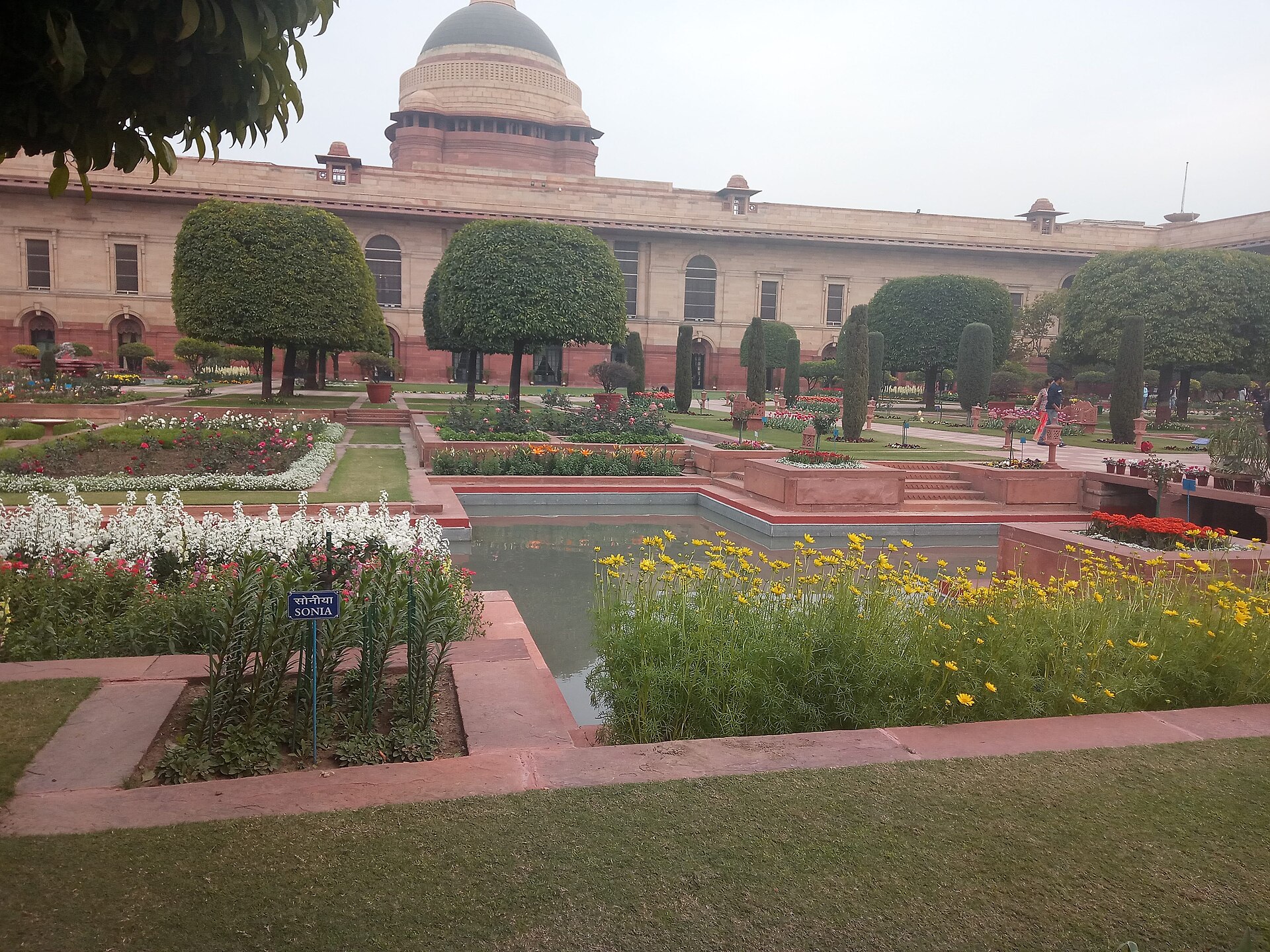
The institution moved into a new building on 28 May 2023, replacing the circular colonnaded Sansad Bhavan designed by Herbert Baker and completed in 1927, which had been built for an imperial legislature and adapted for a republican one. Among the first significant measures passed in the new chamber was the Constitution amendment of September 2023 reserving a third of Lok Sabha and state assembly seats for women, legislation first attempted in the 1990s. Its implementation is deferred until after a census and a delimitation exercise, which means the reform exists in law while the date on which it takes effect remains genuinely uncertain.
References
- Parliament of IndiaLok Sabha official site
- Parliament of IndiaRajya Sabha official site
- Ministry of Law and Justice, Government of IndiaThe Constitution of India
- PRS Legislative ResearchParliament functioning and vital stats
- Encyclopaedia BritannicaGovernment and politics of India
This is a reference article, written from the sources above. It is background, not news reporting.