
Regional Identity and National Identity Together
Reference library · 1096 words

Ask an Indian where they are from and the answer is usually not "India". It is Kerala, or Ludhiana, or the Konkan coast, or a village in Bihar whose name means nothing to anyone outside three districts. This is not a sign of weak national feeling. One of the more interesting features of modern India is that intense regional attachment and a robust sense of nationhood have coexisted for the better part of eight decades, sometimes in tension, more often simply stacked on top of one another without much difficulty. Understanding how that works requires looking at a specific constitutional design and a specific and often bitter political history.
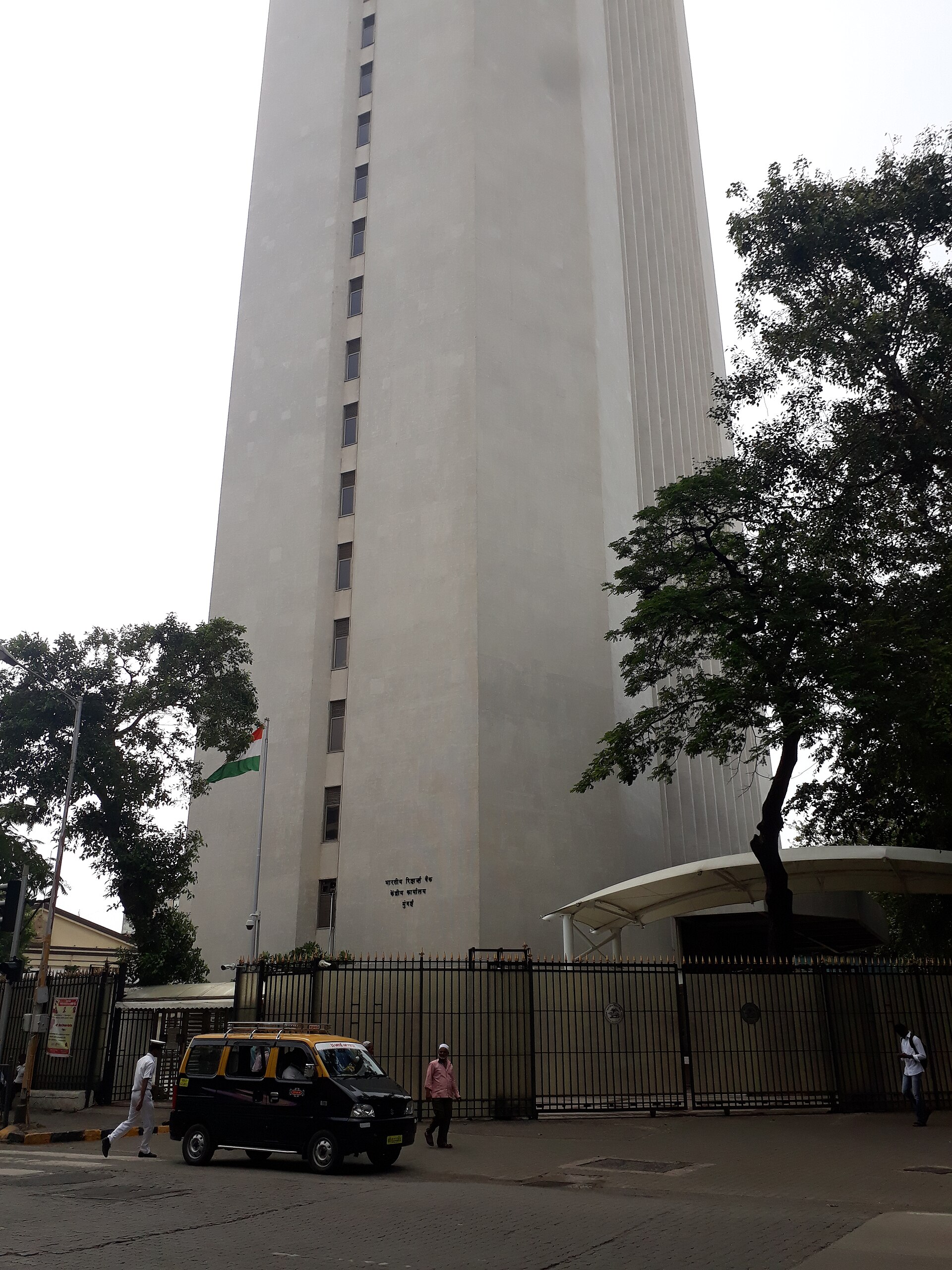
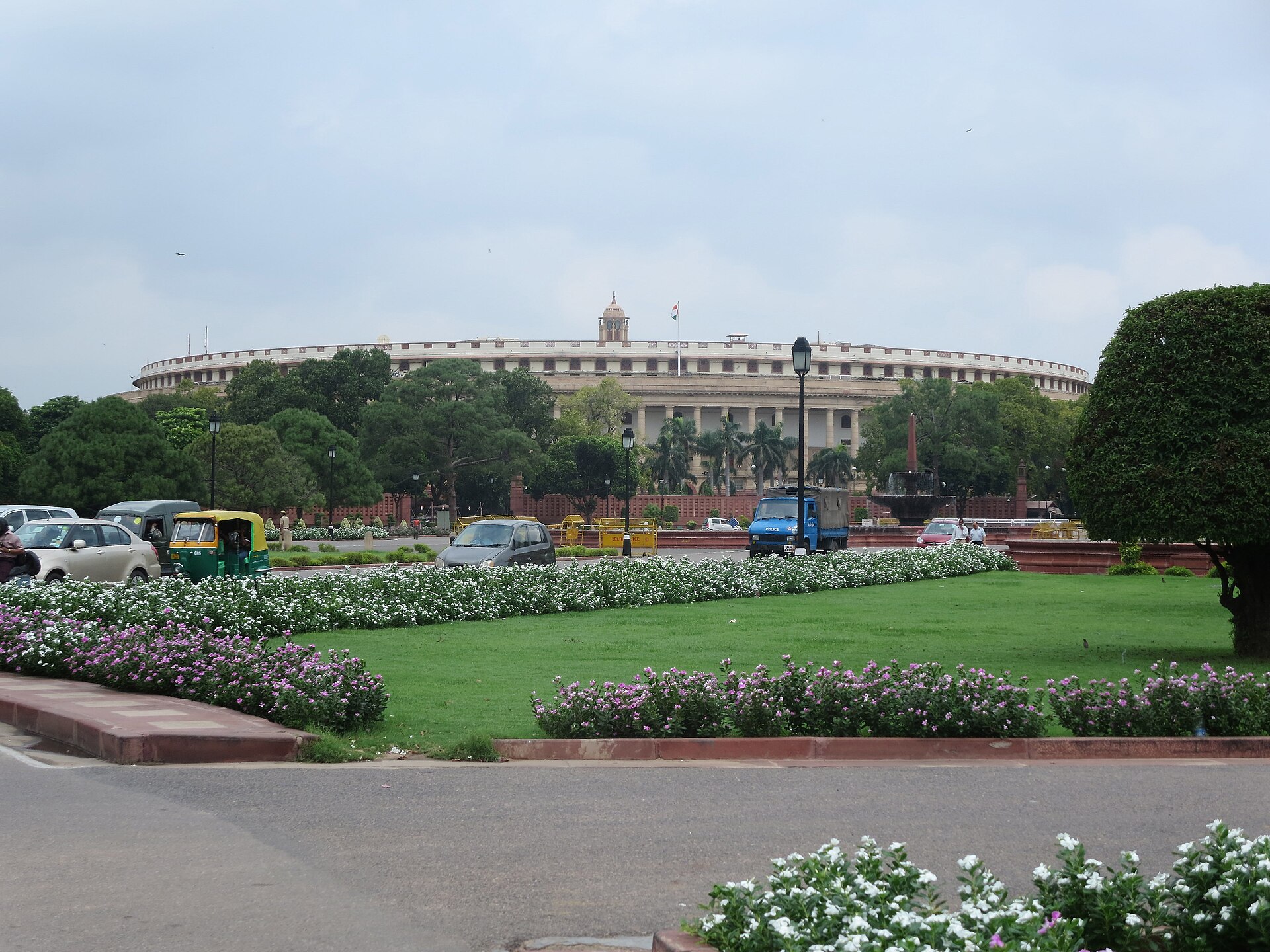
The Constitution that came into force on 26 January 1950 describes the country, in its very first article, as a Union of States. The wording was chosen deliberately. The Constituent Assembly, drafting in the immediate aftermath of Partition and the absorption of several hundred princely states, was wary of anything that suggested the units had entered voluntarily and might leave. The result is a federation with a strong centre: Parliament can create, merge, rename or redraw states by ordinary legislation, the centre appoints state governors, and Article 356 allows the dismissal of a state government in defined circumstances, a power that has been used many times and has often been criticised as partisan. Yet the states control the things that touch daily life most directly, including land, police, public health, agriculture and, crucially, the language of administration and school instruction.
The remaking of the map
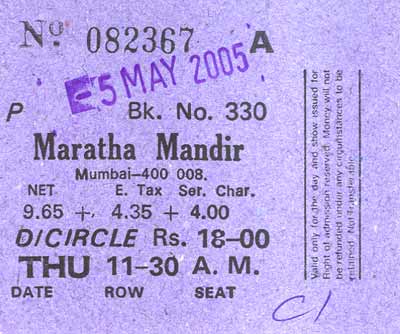
The state boundaries that Indians now treat as natural are recent and were fought for. British India's provinces had been drawn for administrative and military convenience and cut across linguistic communities. Pressure to redraw them along language lines built through the 1940s and early 1950s, and the decisive moment came in 1952, when Potti Sriramulu died after a prolonged hunger strike demanding a separate state for Telugu speakers. Andhra State was created the following year. The government then appointed the States Reorganisation Commission, whose report led to the States Reorganisation Act of 1956, the single largest redrawing of India's internal map. Further changes followed: Bombay State was divided in 1960 into Maharashtra and Gujarat after sustained agitation on both sides, and Punjab was reorganised in 1966, producing Punjab, Haryana and the hill areas that became Himachal Pradesh. Later decades added states carved out on grounds that were as much developmental and tribal as linguistic, including Chhattisgarh, Jharkhand and Uttarakhand in 2000, and Telangana in 2014.
The result is that a state is not merely an administrative unit. For most Indians it is the container of a language, a literature, a cuisine, a film industry, a set of festivals and a distinct political culture. Tamil Nadu's politics have run on Dravidian parties for over half a century; West Bengal, Kerala and Tripura have long histories of communist state governments; Punjab, Maharashtra, Odisha and the north eastern states each sustain strong regional parties that have often held the balance of power in Delhi. Regional identity in India is not a folkloric residue. It is an operating political force with parliamentary seats.
Language, and the argument that never quite ends
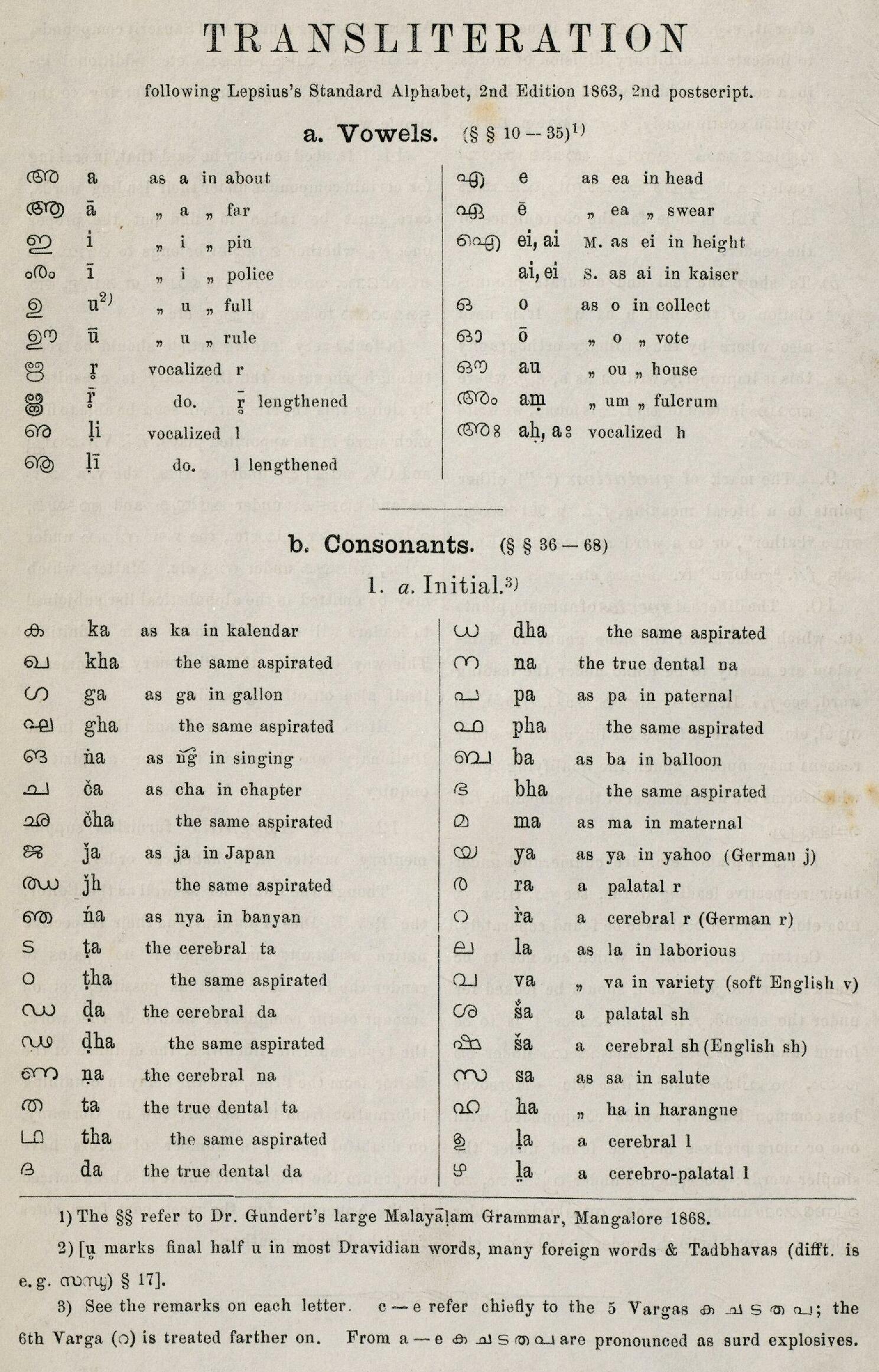
Nothing tests the arrangement like language. The Constitution's Eighth Schedule now lists twenty two languages, and the 2011 census recorded a much larger number of distinct mother tongues, with well over a hundred languages having substantial speaker populations. Hindi in the Devanagari script is designated the official language of the Union, with English continuing as an associate official language. The original intention, written into the Constitution, was that English would be phased out of central government business after fifteen years, that is by 1965. When that date approached, Tamil Nadu erupted. The anti Hindi agitations of 1965 involved widespread protest, deaths, and several self immolations, and they permanently changed the policy. The Official Languages Act was amended so that English would continue indefinitely for as long as any non Hindi state wished it, and no Indian government since has seriously attempted to impose Hindi as a sole link language.
The compromise that emerged is sometimes called the three language formula, under which schools teach a regional language, Hindi and English, though in practice implementation varies enormously and Tamil Nadu has largely declined to teach Hindi at all. The arrangement is still argued over. Southern and eastern states periodically object to what they see as creeping Hindi imposition through central recruitment examinations, signage, or education policy. There is a related and increasingly sharp dispute about money and representation: the southern states, which reduced their fertility rates earlier, argue that formulas tying central tax transfers or parliamentary seats to population would penalise them for successful policy. Delimitation of Lok Sabha constituencies has been frozen since the 1970s partly for this reason, and unfreezing it is one of the genuinely unresolved fault lines in Indian federalism. It would be dishonest to present this as settled.
India also practises what political scientists call asymmetric federalism, meaning that not every state has the same deal. Article 371 and its lettered sub provisions give special protections to states including Nagaland, Mizoram, Sikkim, Manipur, Assam, Karnataka and Maharashtra, covering matters such as customary law, land ownership and local recruitment. The Sixth Schedule creates autonomous district councils in parts of the north east with their own powers over land and tribal custom. These arrangements exist because uniformity in those places would have been unworkable or would have provoked separatism. Article 370, which gave Jammu and Kashmir a distinct constitutional status, was effectively removed in August 2019 and the state was reorganised into union territories, a step that remains politically contested and was the subject of Supreme Court proceedings.
What actually holds the two identities together is less the constitutional text than the shared institutions and habits that cut across regions: the national cricket team, a shared body of law and a Supreme Court that people across the country appeal to, the civil services that post officers outside their home states, a railway network that has moved people between regions for a century and a half, and the fact that most Indians are comfortably multilingual and switch codes without thinking about it. The diaspora reproduces the same layering. An Indian association in Melbourne or Toronto typically sits alongside a Malayali association, a Telugu association and a Gujarati Samaj, and people belong to several at once. In India, plural belonging is the normal condition rather than the exception, and the political system, for all its stresses, was built on the assumption that it would be.
References
- Government of India, Ministry of Law and JusticeThe Constitution of India
- Office of the Registrar General and Census Commissioner, IndiaCensus of India: Language
- Department of Official Language, Government of IndiaThe Official Languages Act, 1963
- Encyclopaedia BritannicaStates Reorganisation Act
This is a reference article, written from the sources above. It is background, not news reporting.