
Regional Kingdoms of Medieval India
Reference library · 1088 words
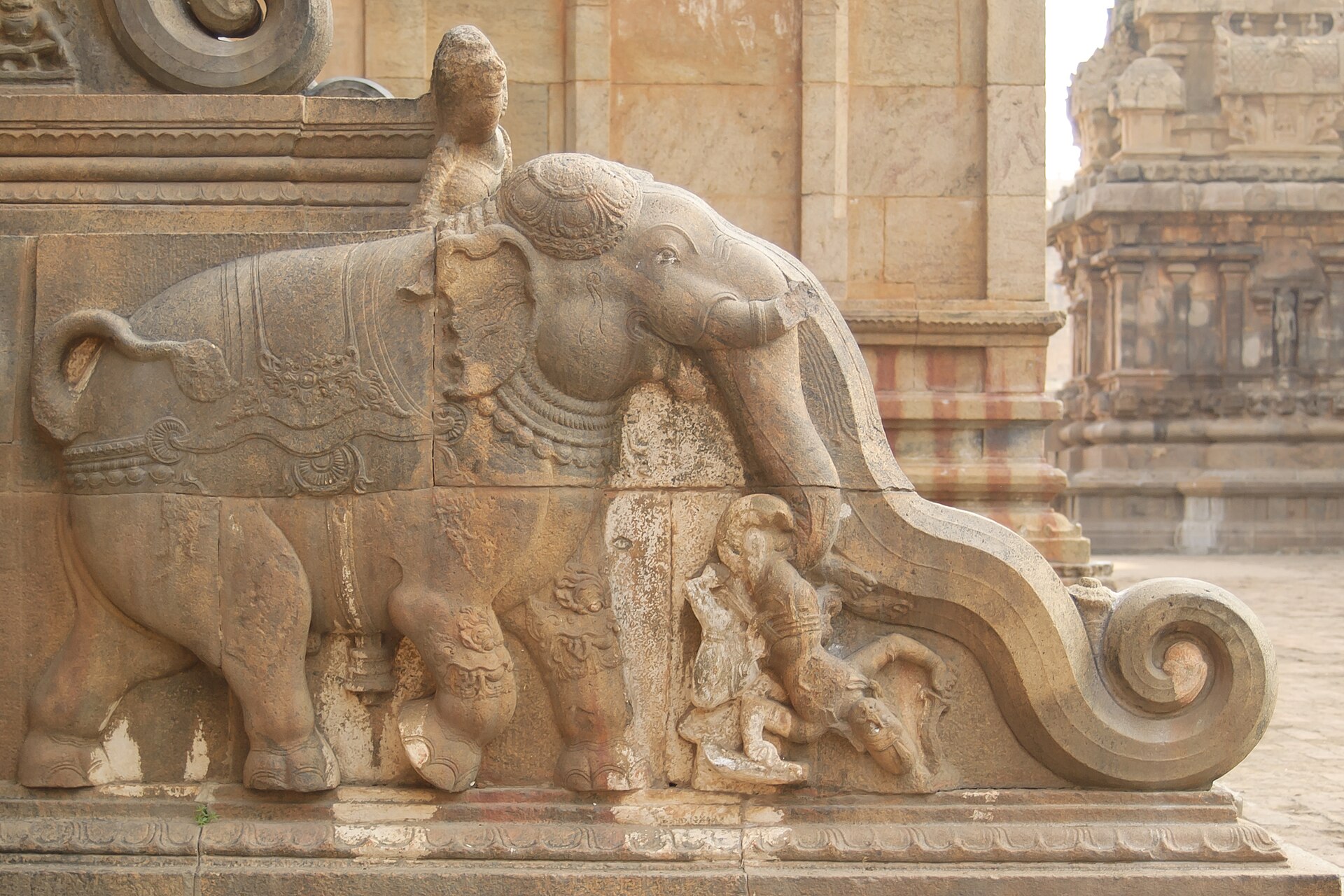

For most of the thousand years between the collapse of the Gupta empire in the middle of the sixth century and the consolidation of Mughal power in the sixteenth, the Indian subcontinent had no single ruling centre. What it had instead was a shifting field of regional kingdoms, some of them very large and very rich, each anchored in a river valley or a coastal plain, each producing its own temple architecture, its own literature and its own administrative vocabulary. Popular history often skips this period, treating it as an interval between empires. That is a serious distortion. Most of what a visitor recognises today as classical Indian art, from the temples of Khajuraho to the bronzes of Thanjavur, was made under regional dynasties, not imperial ones.
The contest for the north
After the death of Harsha of Kannauj in the mid seventh century, no ruler held the Gangetic plain outright. From the late eighth century onward three powers fought a long, inconclusive struggle for the city of Kannauj, which carried enormous prestige as a seat of paramountcy. The Gurjara Pratiharas held western India and much of the plain; the Palas, Buddhist patrons who supported the monastic universities of Nalanda and Vikramashila, ruled Bengal and Bihar; and the Rashtrakutas, based at Manyakheta in the Deccan, repeatedly marched north to intervene. Kannauj changed hands more than once. The Arab geographer Sulaiman, writing in the ninth century, described the Rashtrakuta ruler as one of the great kings of the world, which tells us how these courts were seen from outside.
Around this tripartite contest sat a ring of smaller but durable houses. The Chandelas of Bundelkhand built the temples at Khajuraho over roughly a century from the middle of the tenth century. The Paramaras of Malwa, whose eleventh century king Bhoja gave his name to a body of writing on poetics, architecture and grammar, ruled from Dhar. The Chaulukyas or Solankis of Gujarat built the sun temple at Modhera and the extraordinary stepwell at Patan, Rani ki Vav, which UNESCO inscribed as a World Heritage site in 2014. In Kashmir, the historian Kalhana completed the Rajatarangini around the middle of the twelfth century, a chronicle of the valley's kings that remains one of the few sustained works of historical narrative produced in Sanskrit.
Southern powers and the Chola century
The south followed its own rhythm. The Pallavas of Kanchipuram and the Chalukyas of Badami fought each other for generations, and both left rock cut and structural temples that mark the transition from cave excavation to freestanding stone building. The shore temple at Mamallapuram and the rock reliefs there are Pallava work. From the late ninth century the Cholas of the Kaveri delta displaced them and built what was, for about two hundred years, the most formidable state in the subcontinent.
Rajaraja I completed the Brihadisvara temple at Thanjavur early in the eleventh century, a granite tower of unprecedented height whose walls carry inscriptions recording, in remarkable detail, endowments of land, gold, livestock and personnel. His son Rajendra I campaigned to the Ganga, founded a new capital called Gangaikonda Cholapuram, and in the 1020s despatched a naval expedition against the Srivijaya polity in the Malay archipelago, almost certainly to secure the sea lanes carrying trade to Song China. The Chola bronze casting workshops of this period produced the images of Shiva as lord of the dance that are now in museums from Chennai to New York.
Other southern and eastern houses followed: the Western Chalukyas of Kalyani, the Hoysalas whose soapstone temples at Belur and Halebidu carry carving of almost metallic fineness, the Kakatiyas of Warangal, the Yadavas of Devagiri, and the Eastern Gangas of Odisha, under whom the Jagannath temple at Puri and later the great sun temple at Konark were built. In the north east, the Ahom kingdom established in the Brahmaputra valley in the thirteenth century would endure for roughly six hundred years and keep its own chronicles, the buranjis.
How these kingdoms actually worked
The mechanism that held such states together was not a salaried bureaucracy of the modern kind. Kings granted rights over the revenue of villages to Brahmin settlements, to temples and to subordinate chiefs, recording the grants on copper plates and stone. The subordinate ruler, the samanta, kept his own troops and his own court, attended the overlord and paid tribute, and could become an overlord himself when the centre weakened. Temples were not merely places of worship; a large temple was a landholder, an employer, a bank that lent at interest and a centre of redistribution. Merchant associations such as the Ayyavole guild of the Deccan and the Manigramam operated across kingdoms and even overseas, which is one reason the collapse of a dynasty rarely destroyed commerce.
Historians disagree sharply about what to call this arrangement, and readers should know that the disagreement is live rather than settled. One influential line of argument, associated with R. S. Sharma, described the period as Indian feudalism: land grants fragmenting sovereignty, a decline in coinage and long distance trade, and peasants tied to the soil. A second position, argued by Burton Stein for the Chola south, described a segmentary state in which the king's ritual authority extended far beyond his actual administrative control, and real power lay with local assemblies and chiefs. A third, associated with Hermann Kulke, sees an integrative process in which small local polities were progressively absorbed into larger regional ones. Each reading emphasises different evidence, and the inscriptions can be made to support more than one.
What is not in dispute is that these kingdoms produced institutions of genuine local self government in some regions. The tenth century inscriptions at Uttaramerur in Tamil Nadu record the rules by which a village assembly selected its committees, including the use of ticketed lots drawn from a pot, along with eligibility conditions relating to landholding, literacy and honesty, and disqualification for failing to render accounts. That is a level of procedural detail rarely preserved anywhere in the medieval world.
The period ended unevenly. Turkic campaigns from the late twelfth century broke the northern kingdoms and produced the Delhi Sultanate; the Deccan saw the founding of the Vijayanagara state in the fourteenth century and, shortly after, the Bahmani sultanate, whose successors would shape the region until the Mughals arrived. But regional identity outlasted regional dynasties. The languages, scripts, culinary traditions, temple styles and legal customs that distinguish an Indian state today were largely formed in these centuries, which is the strongest argument for taking them seriously.
References
- UNESCO World Heritage CentreGreat Living Chola Temples
- UNESCO World Heritage CentreRani-ki-Vav (the Queen's Stepwell) at Patan, Gujarat
- The Metropolitan Museum of ArtThe Chola Period
- Archaeological Survey of IndiaWorld Heritage Sites: Khajuraho Group of Monuments
This is a reference article, written from the sources above. It is background, not news reporting.