

Remittances: The Diaspora's Quiet Economy
Reference library · 1061 words

Every year, money sent home by Indians living abroad arrives in India in quantities that dwarf most other financial flows into the country. India has for many years been the world's largest recipient of remittances, and the annual total, as estimated by the World Bank and its migration data partnership, has moved well past one hundred billion United States dollars. To put that in perspective, it consistently exceeds India's inflows of foreign direct investment and covers a meaningful share of the country's merchandise trade deficit, which is to say that the earnings of nurses in the Gulf, engineers in California and truck drivers in Ontario quietly help stabilise the rupee.
What makes remittances economically distinctive is not their size but their behaviour. Portfolio investment is fickle: foreign funds pull money out of Indian equities and bonds when global interest rates rise or risk appetite falls, often at exactly the moment India can least afford it. Remittances do the opposite. They are sent by individuals to families, driven by obligation rather than by yield, and they tend to hold up or even rise during a crisis at home, because migrants send more when relatives need more. Economists call this countercyclicality, and it is the reason central banks treat remittances as among the most reliable components of external inflows.
The corridors have shifted
The popular image of the remitter is a construction worker in Dubai or Riyadh, and for decades that image was broadly accurate. The oil boom of the 1970s pulled hundreds of thousands of workers, disproportionately from Kerala, to the Gulf, and their earnings reshaped that state so thoroughly that researchers speak of a remittance economy: new housing, higher school enrolment, sharply rising land prices and a labour shortage severe enough that Kerala now imports workers from Bihar, Odisha and West Bengal.
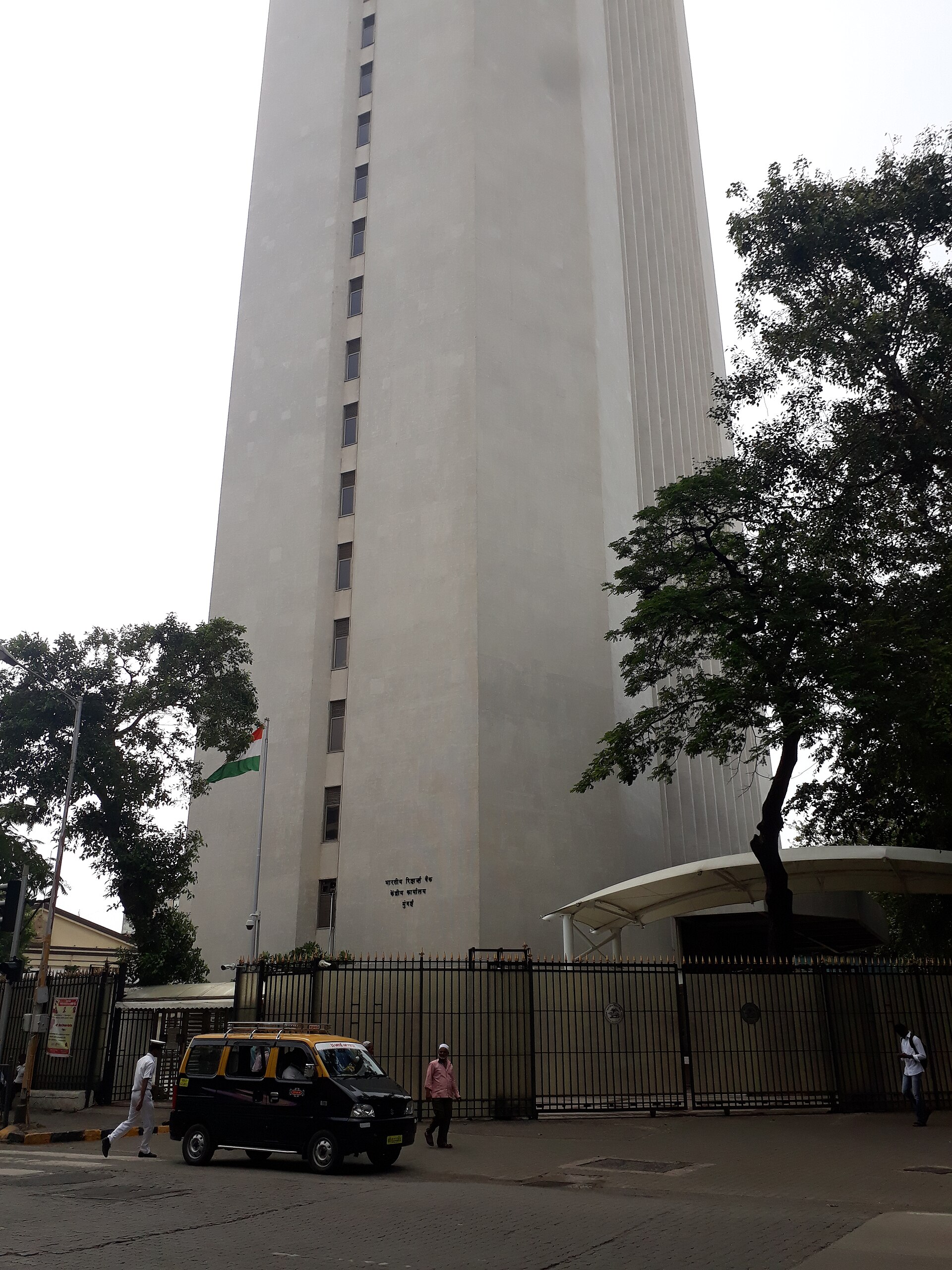
That picture has changed. Successive surveys of remittances conducted by the Reserve Bank of India show the balance tilting away from the Gulf and toward the advanced economies. In the most recent rounds the United States emerged as the single largest source country, ahead of the United Arab Emirates, with Britain, Singapore, Canada, Saudi Arabia and Australia also prominent. The composition changed with it: the average remittance from the United States is far larger and less frequent than the average remittance from the Gulf, reflecting the difference between a software engineer on an H-1B visa supporting parents and buying property, and a manual worker on a two year contract sending a fixed sum every month.
The destination map inside India shifted correspondingly. Where Kerala once dominated receipts, the RBI surveys now place Maharashtra as the leading recipient state, with Kerala, Tamil Nadu, Telangana and Karnataka also receiving large shares. This reflects both the professional migration from the southern technology corridors and the fact that returning or investing migrants route money through metropolitan bank accounts rather than to their ancestral districts.
How the money actually moves
The mechanics matter more than they might seem, because the cost of sending money is effectively a tax on the poorest migrants. A transfer involves several charges: the fee the sender pays, the margin the provider takes on the exchange rate, and sometimes a receiving charge. The exchange rate margin is the one people miss, and it is often larger than the visible fee. The United Nations Sustainable Development Goals set a target of reducing average remittance costs to three percent of the amount sent, against a global average that has stubbornly hovered around six percent for small transfers.
India's corridors perform unusually well by this measure. The Gulf to India routes are among the cheapest in the world, frequently below three percent, because they carry enormous volumes, are served by long established exchange houses competing hard on price, and benefit from India's domestic payments infrastructure allowing near instant crediting to a bank account. Corridors from Australia, Canada and Britain are typically more expensive, partly because of compliance costs and partly because fewer providers compete for smaller flows. Digital providers have pushed prices down considerably in the past decade, and India has begun linking its Unified Payments Interface to foreign systems, starting with a link to Singapore's PayNow service established in 2023, which allows transfers between the two countries using a phone number.
Informal channels have not vanished. The hundi or hawala system, in which a broker in one country accepts cash and a counterpart in another pays it out, settling between themselves later, predates formal banking by centuries and still operates where formal channels are slow, expensive or inaccessible, or where the sender lacks legal status. It is illegal in India under foreign exchange law because it moves value without a traceable record, and enforcement against it is a continuing preoccupation of Indian agencies. Its persistence is generally a symptom of friction in the formal system rather than of criminal intent among most users.
Blessing, dependence, or both
The effects of remittances at household level are well studied and mostly positive. Receiving families spend more on food, health care and schooling, are better able to absorb shocks such as illness or crop failure, and are more likely to keep girls in education. Housing improves visibly, to the point that the Gulf house is a recognised architectural type in parts of Kerala and coastal Andhra Pradesh.
The complications are real too, and worth stating rather than glossing. A large share of remittances funds consumption and land purchase rather than productive investment, which can inflate local property prices without creating local jobs, so that the next generation also has to migrate. Communities can become dependent on a single foreign labour market, leaving them exposed when that market contracts, as happened when oil prices fell and again during the pandemic border closures of 2020. And the migration itself is often financed by debt: recruitment agents charge fees that can consume a worker's first year or more of earnings, which means the early remittances are not gains at all but repayments. Reducing recruitment costs, tightening the regulation of agents, and negotiating better protections in destination countries would arguably do more for migrant households than any further reduction in transfer fees. None of that diminishes the achievement. The quiet economy of the diaspora is one of the largest and most dependable sources of foreign exchange India has, and it is built entirely from private acts of family obligation.
References
- World BankMigration and Development Brief, KNOMAD
- Reserve Bank of IndiaSurvey on Remittances and RBI Bulletin
- World BankRemittance Prices Worldwide
- International Organization for MigrationWorld Migration Report
- Government of India, Ministry of External AffairsOverseas Indian affairs
This is a reference article, written from the sources above. It is background, not news reporting.