

Rice, Spice and India's Agricultural Exports
Reference library · 1038 words

India is simultaneously one of the world's largest agricultural exporters and a country where a majority of farms are smaller than two hectares. Those two facts are not contradictory but they explain almost everything awkward about the trade. Agricultural and allied exports have run in the region of fifty billion United States dollars a year in recent years, a figure that includes rice, marine products, spices, buffalo meat, sugar, cotton, tea, coffee, oil meals and a growing basket of processed foods. The volumes come from aggregating the marketable surplus of tens of millions of very small producers, and that aggregation is where most of the value, and most of the problems, sit.
Rice, and the politics of switching it off
Rice is the centrepiece. India has for several years been the largest rice exporter in the world, at times accounting for something close to two fifths of all internationally traded rice. The trade splits into two very different products. Basmati, the long grained aromatic rice grown in Punjab, Haryana, Uttarakhand and western Uttar Pradesh, is a premium good sold mainly to Iran, Saudi Arabia, Iraq, the United Arab Emirates and the diaspora markets of Britain, Australia and North America. Non-basmati rice, including parboiled varieties, is a bulk staple that goes in large volumes to West Africa, Bangladesh, Nepal and parts of South East Asia, and it is far more price sensitive.
Because India supplies so much of that bulk market, its domestic policy is a global event. In July 2023, facing erratic monsoon rainfall and rising domestic food prices, the government banned exports of non-basmati white rice, applied duties to parboiled rice and imposed a minimum export price on basmati. World rice prices rose sharply and importing governments in West Africa scrambled for alternative supply. The restrictions were progressively relaxed during 2024 as domestic stocks recovered. The episode illustrates a permanent tension in Indian trade policy: exports are encouraged as a source of farm income and foreign exchange, but domestic consumer prices are politically decisive, and when the two conflict the consumer wins. Buyers abroad have drawn the obvious conclusion about reliability, and several have accelerated efforts to diversify sourcing.
Spices and the institutions that grade them
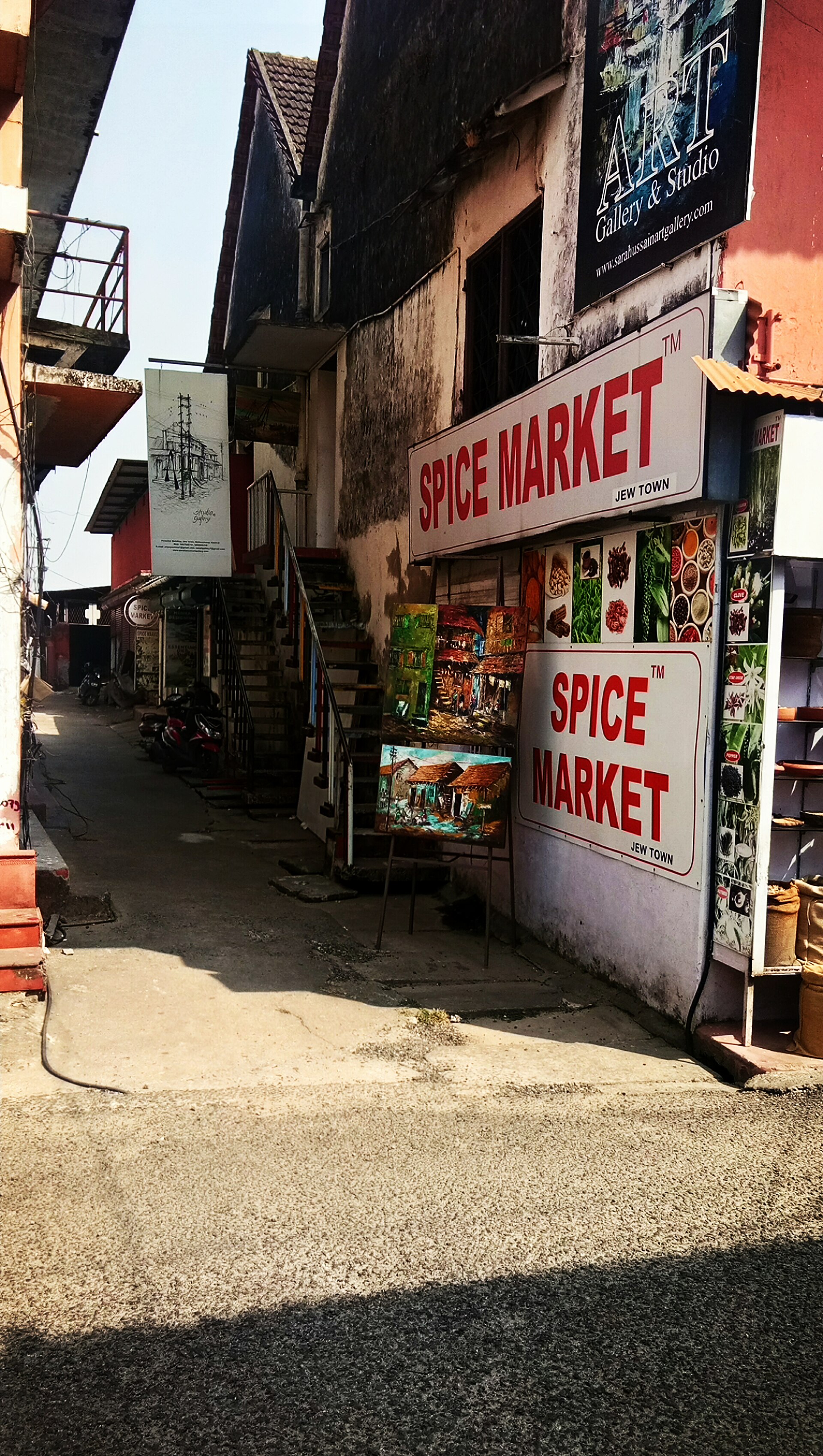
Spices are the oldest export and remain a substantial one. India is the largest producer, consumer and exporter of spices by volume, though much of the crop is eaten at home. Chilli, dominated by the Guntur belt in Andhra Pradesh, is the largest single spice export by value in most years, followed by cumin from Gujarat and Rajasthan, turmeric, and the value added category of spice oils and oleoresins. Black pepper and cardamom from Kerala and the Western Ghats, once the commodities that drew European fleets to Calicut and Cochin, now face strong competition from Vietnam and Guatemala respectively, and India is no longer the dominant pepper supplier it was.
Two statutory bodies do most of the plumbing. The Spices Board, headquartered in Kochi and constituted in 1987, registers exporters, runs quality laboratories and promotes the trade. The Agricultural and Processed Food Products Export Development Authority, known as APEDA and established in 1986, covers fruit, vegetables, cereals, meat and processed foods, and administers export registration and residue monitoring schemes. Marine products, which are among the largest single earners because of frozen shrimp sold to the United States, China and Japan, fall under a separate body, the Marine Products Export Development Authority.
Quality compliance is the recurring difficulty. European Union rapid alerts on pesticide residues, on ethylene oxide found in sesame and in some spice consignments, and on aflatoxin in groundnut and chilli have repeatedly forced consignments back. The underlying cause is structural rather than malicious: a container may aggregate produce from hundreds of small farms with no shared spray record, so traceability has to be reconstructed after the fact. The response has been residue monitoring plans, farm registration systems and, increasingly, contract farming arrangements in which an exporter supplies inputs and buys the whole crop.
Names, quality marks and the argument about subsidies
Geographical indications have become a serious commercial instrument. Darjeeling tea was the first Indian product registered under the Geographical Indications of Goods Act of 1999, and the register now includes hundreds of agricultural entries from Alphonso mango to Kashmir saffron to Nagpur orange. Basmati has been the most contested. India and Pakistan have both pursued protected status in the European Union for basmati grown in their own territory, and the dispute has been running for years without a clean resolution, because the growing region straddles a border drawn in 1947 across a single agro-ecological zone.
Tea illustrates a different pattern. India remains among the largest producers, with Assam, Darjeeling and the Nilgiris supplying distinctive styles, but domestic consumption has grown so much that the exportable surplus has shrunk relative to Kenya and Sri Lanka. A country can lose export share simply by becoming richer and drinking its own product.
Behind all of this sits an argument at the World Trade Organization. India buys grain from farmers at administered minimum support prices and holds large public stocks for its food security programme. Several exporting countries argue that this constitutes trade distorting support beyond agreed limits and that subsidised stocks eventually leak into export markets. India argues that public stockholding for food security is legitimate for a country where a large share of the population depends on subsidised grain, and has relied on an interim protection agreed at Bali in 2013 while a permanent solution is negotiated. That negotiation has not concluded, and it is one of the reasons agricultural talks at the WTO have been stuck for more than a decade.
Domestically the constraint is the marketing chain. Regulated wholesale markets established under state agricultural produce marketing committee laws, the mandis, were designed to protect farmers from private traders but have been criticised for creating licensed intermediaries with too much power. Three central laws passed in 2020 that would have loosened those rules provoked a year of farmer protest around Delhi and were repealed in 2021. The result is that the reform of how Indian produce reaches an exporter's warehouse remains unfinished, and export performance continues to depend on a chain of small transactions that no single institution controls.
References
- Agricultural and Processed Food Products Export Development Authority (APEDA)APEDA, Government of India
- Spices Board IndiaSpices Board, Ministry of Commerce and Industry
- Government of India, Ministry of Commerce and IndustryDepartment of Commerce
- Food and Agriculture Organization of the United NationsFAOSTAT trade data
- World Trade OrganizationAgriculture negotiations
This is a reference article, written from the sources above. It is background, not news reporting.