
The Gulf Trade Corridor: Beyond Labour Migration
Reference library · 1034 words

When Indians discuss the Gulf, the conversation usually begins and ends with workers: the construction labourer in Dubai, the nurse in Riyadh, the driver in Doha, and the money they send home. That framing is understandable, because the migration is enormous and its social consequences in Kerala, Telangana, Tamil Nadu, Uttar Pradesh and Bihar are visible in every second household. But it captures only one channel of a relationship that now runs through oil and gas contracts, container terminals, sovereign wealth funds, gold, food security, free trade agreements, university campuses and a proposed transcontinental transport corridor. The Gulf is not simply a place Indians go to work. It is, taken as a bloc, among India's largest trading partners and one of its most important sources of both energy and investment capital.
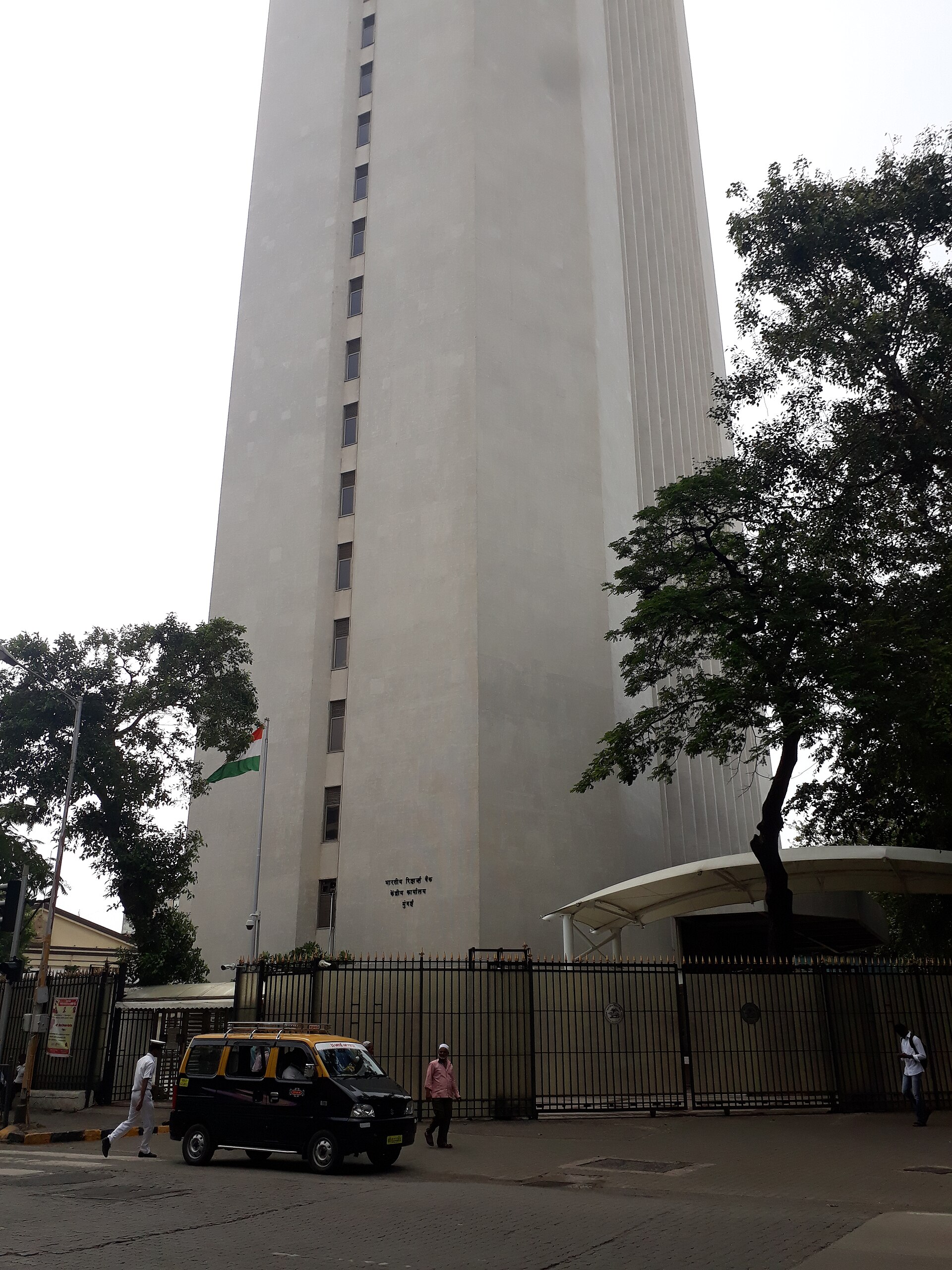
The oldest layer of this relationship long predates oil. Dhows carried timber, textiles, rice and spices between Gujarat, the Malabar coast and the ports of the Persian Gulf and Arabian peninsula for centuries, and the Indian rupee circulated as legal tender in several Gulf territories into the twentieth century. The Reserve Bank of India issued a special Gulf rupee from 1959 specifically for circulation outside India in the region, precisely because so much of the local economy already ran on Indian currency. Merchant families from Kutch, Sindh and Kerala established trading houses in Dubai, Muscat and Bahrain generations before the oil boom, and some of the largest retail and logistics groups in the Gulf today were founded by families of Indian origin. This history is why the commercial relationship was able to expand so quickly when petrodollars arrived: the networks were already there.
Energy in one direction, goods in the other
India imports the great majority of the crude oil it consumes, and a very large share of that comes from the Gulf, with Iraq, Saudi Arabia and the United Arab Emirates consistently among the leading suppliers. The dependence extends to liquefied natural gas, where Qatar has been India's dominant supplier under long-term contracts running to Indian importers since the 1990s, and to liquefied petroleum gas, the cooking fuel that Indian households use, which comes overwhelmingly from Gulf producers. This creates an exposure that Indian policy has been trying to diversify for years, and the arrival of discounted Russian crude after 2022 shifted the balance considerably for a period. It is a genuine strategic vulnerability rather than an abstract one: a disruption in the Strait of Hormuz would hit Indian fuel prices within days.
Flowing the other way are goods and services. India exports refined petroleum products back to the region, along with jewellery, textiles and garments, machinery, chemicals, cereals, meat, fruit and vegetables. Gulf states import almost all of their food, which makes India, as a nearby large agricultural producer, a natural supplier and makes food security a formal item on the diplomatic agenda; Emirati and Saudi entities have invested in Indian food processing and logistics with that objective explicitly stated. Gold is a category of its own. The United Arab Emirates is one of the largest sources of India's gold imports, and the tariff treatment of gold has been a central and contested feature of trade negotiations because of its effect on India's current account and on domestic jewellers.
The most significant recent institutional change is the Comprehensive Economic Partnership Agreement between India and the United Arab Emirates, signed in February 2022 and in force from May of that year. It was negotiated with unusual speed, eliminated or reduced tariffs across a very large share of tariff lines, and set an explicit target of substantially increasing non-oil bilateral trade within five years. India has since pursued similar agreements with other Gulf states and with the Gulf Cooperation Council as a bloc, and concluded a comprehensive economic partnership with Oman. Alongside the trade agreements, India and the UAE signed arrangements to settle bilateral trade in local currencies, and the first crude oil purchases settled in rupees rather than dollars followed in 2023, a small volume but a meaningful precedent.
Capital, ports and corridors
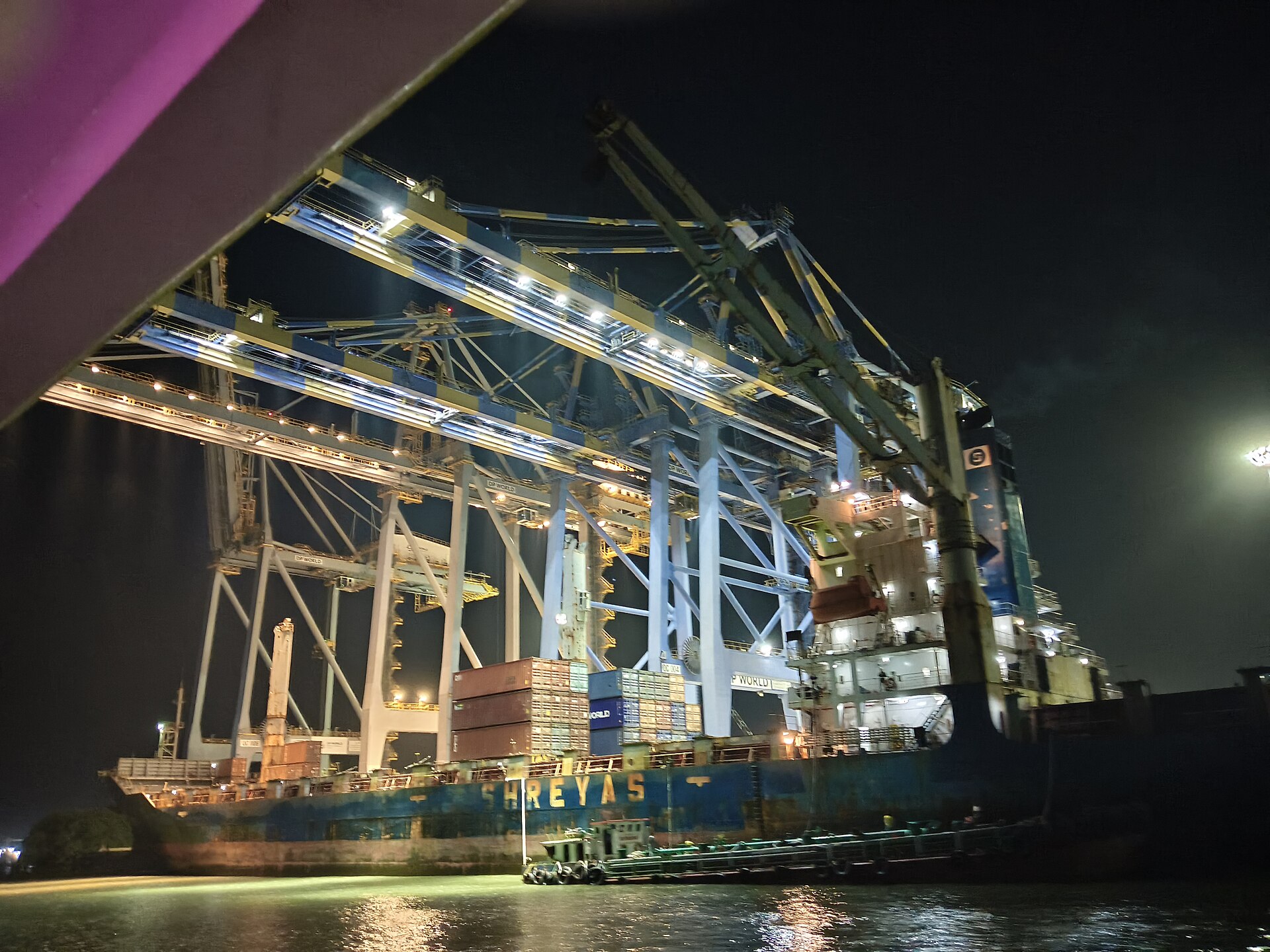
The investment relationship has been the fastest-growing element. Gulf sovereign wealth funds and state holding companies have taken positions in Indian telecommunications, retail, renewable energy, digital infrastructure and toll roads, attracted by scale and by long-duration returns that match their liabilities. Emirati port and logistics operators run container terminals at several major Indian ports and have invested in inland logistics parks and free trade warehousing. Emirati renewable energy companies have invested in Indian solar and wind capacity, while Indian engineering, construction and information technology firms have long executed contracts across the Gulf. Indian banks maintain a substantial Gulf presence, and Gulf banks operate in India's international financial services centre at GIFT City in Gujarat.
Two developments illustrate where the relationship is heading. The first is the India-Middle East-Europe Economic Corridor, announced at the G20 summit in New Delhi in September 2023, which proposes to link Indian ports by sea to the Gulf and then by rail across the Arabian peninsula to the Mediterranean and on to Europe, together with associated energy and data cables. It is a memorandum of understanding rather than a funded project, its rail component is the hard part, and the regional conflict that followed within weeks of the announcement has complicated its politics considerably. Whether it becomes infrastructure or remains a diagram is genuinely uncertain. The second is educational and institutional: an Indian Institute of Technology campus has been established in Abu Dhabi, and Indian curriculum schools, universities and hospital groups operate across the region, which converts a labour relationship into a services one.
None of this displaces remittances, which remain central. India receives more remittances than any other country in the world, well over a hundred billion United States dollars a year by World Bank estimates, and the Gulf has historically been the largest single regional source, though the share coming from high-skill migrants in North America, Britain and Australia has been rising relative to it. What has changed is that remittances are no longer the whole story. The corridor now carries capital in both directions, and the Indians involved include fund managers and terminal operators as well as workers on a construction site.
References
- Ministry of Commerce and Industry, Government of IndiaIndia-UAE Comprehensive Economic Partnership Agreement
- World BankMigration and Development Brief on remittance flows
- Ministry of Petroleum and Natural Gas, Government of IndiaPetroleum Planning and Analysis Cell import data
- Ministry of External Affairs, Government of IndiaIndia-UAE bilateral relations brief
This is a reference article, written from the sources above. It is background, not news reporting.